-30%₺270,00 Orijinal fiyat: ₺270,00.₺190,00Şu andaki fiyat: ₺190,00.
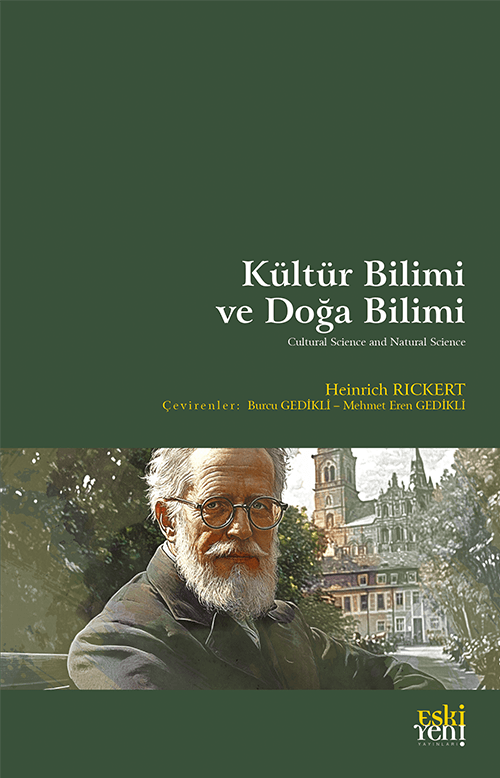
Kültür Bilimi ve Doğa Bilimi
Kültür Bilimi ve Doğa Bilimi
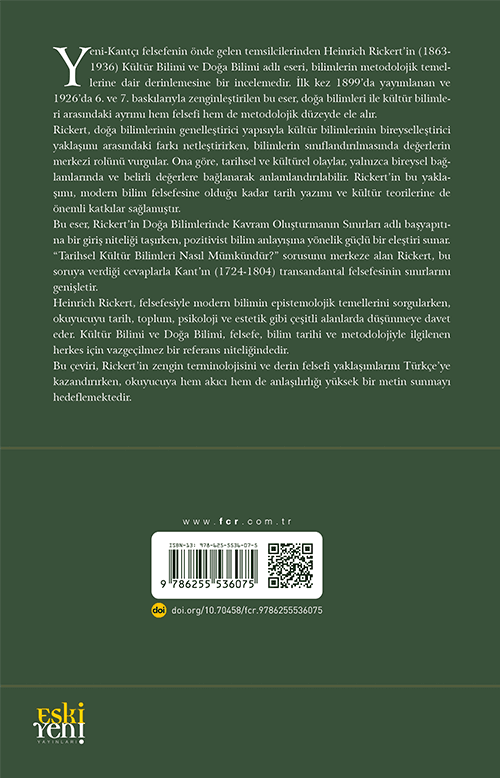
Heinrich Rickert’in Kültür Bilimi ve Doğa Bilimi adlı eseri, bilimlerin metodolojik temellerini ve epistemolojik ayrımlarını ele alan bir başyapıttır. Rickert, bu eserde doğa bilimleri ile kültür bilimleri arasındaki farkı hem teorik hem de metodolojik düzeyde analiz eder. Doğa bilimlerinin genelleştirici bir yaklaşımı benimsediğini, doğadaki yasaları keşfetmek için olayları sınıflandırıp tekrar eden düzenlilikler aradığını vurgular. Buna karşılık, kültür bilimleri bireyselleştirici bir yöntemle çalışır ve tikel olayların, tarihsel bağlam içinde anlamlandırılmasını amaçlar. Rickert’in temel argümanı, bilimlerin yalnızca fiziksel gerçeklik yoluyla değil, aynı zamanda değerler aracılığıyla şekillendiği üzerine kuruludur. Ona göre, kültür bilimleri belirli değerlere dayanarak tarihsel olayları seçer ve bu değerler olmadan tarih bilimi mümkün olamaz. Örneğin, bir devrimi anlamlı kılan, onun belirli bir toplumsal veya ahlaki değere atfedilmesidir. Bu bağlamda Rickert, kültür bilimlerini doğa bilimlerinden ayırırken, her iki alanın da kendi içinde tutarlı metodolojilere sahip olduğunu savunur. Eser ayrıca pozitivizme yönelik kapsamlı bir eleştiri içerir. Rickert, pozitivistlerin bilimleri yalnızca ampirik verilerle sınırlandırmasının, özellikle kültür bilimlerinin bireyselliğini ve anlamını görmezden geldiğini ileri sürer. Pozitivist anlayışın aksine, kültür bilimlerinin temelinde değerlerin olduğu fikrini ön plana çıkarır. Rickert’in çalışması, bilim felsefesi, tarih yazımı ve kültür teorilerine önemli bir katkı sağlar. Kültür Bilimi ve Doğa Bilimi, sadece bilimlerin ayrımını ele almakla kalmaz, aynı zamanda insanlık tarihinin temel sorularına dair bir rehber sunar. Bu eser, felsefi düşüncede bilimsel metodoloji ve değerler üzerine düşünmek isteyenler için vazgeçilmez bir kaynaktır.
Anahtar Kelimeler: Kültür Bilimleri, Doğa Bilimleri, Değer Felsefesi, Pozitivizm Eleştirisi, Tarihsel Metodoloji, Bireyselleştirici Yöntem, Genelleştirici Yöntem, Bilimlerin Sınıflandırılması, Değer; Anlam, Kavram Oluşturma.
 İÇ SAYFALAR
Cultural Science and Natural Science
Heinrich Rickert’s Culture Science and Natural Science is a seminal work that explores the methodological foundations and epistemological distinctions between the sciences. Rickert analyzes the theoretical and methodological differences between natural sciences and cultural sciences. While natural sciences adopt a generalizing approach by identifying laws and patterns in nature, cultural sciences focus on individualizing methods to interpret singular events within their historical context. The core argument of Rickert’s work is that sciences are shaped not only by physical reality but also by values. According to him, cultural sciences rely on values to select and interpret historical events, and without these values, history as a discipline would be impossible. For instance, the significance of a revolution lies in its connection to specific social or moral values. In this framework, Rickert distinguishes cultural sciences from natural sciences while asserting that both fields possess their own internally consistent methodologies. The book also provides a thorough critique of positivism. Rickert challenges thinkers arguing that limiting sciences to empirical data overlooks the individuality and meaningfulness of cultural sciences. Unlike the positivist perspective, Rickert emphasizes that cultural sciences are fundamentally grounded in values, making them indispensable for understanding human history. Rickert’s work contributes significantly to the philosophy of science, historiography, and cultural theory. Culture Science and Natural Science not only addresses the division between sciences but also serves as a guide to fundamental questions about humanity’s intellectual and historical endeavors. This text is an essential resource for those interested in methodology and values in philosophical inquiry, offering profound insights into the epistemological basis of scientific thought.
Keywords: Cultural Sciences, Natural Sciences, Philosophy of Values, Critique of Positivism, Historical Methodology, Individualizing Method, Generalizing Method, Classification of Sciences, Value; Meaning; Concept Formation.