1000₺ ve üzeri alışverişlerde ÜCRETSİZ KARGO
Hafta içi saat 12.00‘ye kadar verilen siparişler AYNI GÜN KARGODA

  • 0 Items - 0,00
    • Sepette hiç bir ürün yok.
%29 İNDİRİM

Orijinal fiyat: ₺255,00.Şu andaki fiyat: ₺180,00.

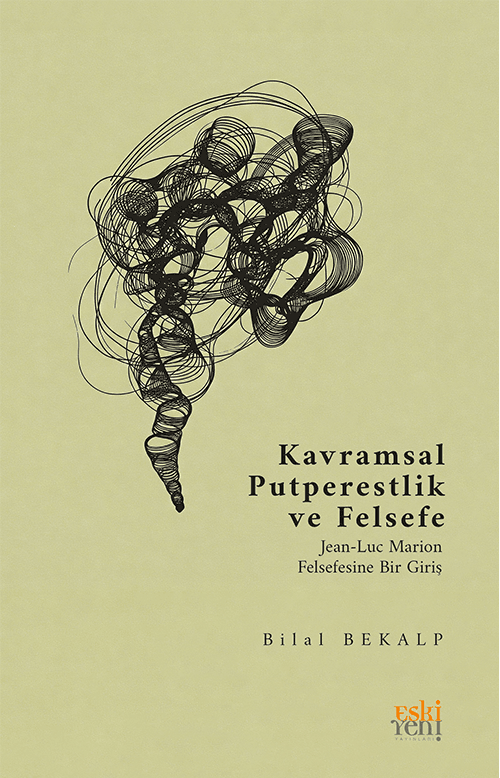
Kavramsal Putperestlik ve Felsefe -Jean-Luc Marion Felsefesine Bir Giriş-

Conceptual Idolatry and Philosophy An Introduction to the Philosophy of Jean-Luc Marion-

10.70458/fcr.9786255536143

0000-0001-8733-959X ES0301 , ,
Paylaş
Kavramsal Putperestlik ve Felsefe -Jean-Luc Marion Felsefesine Bir Giriş-
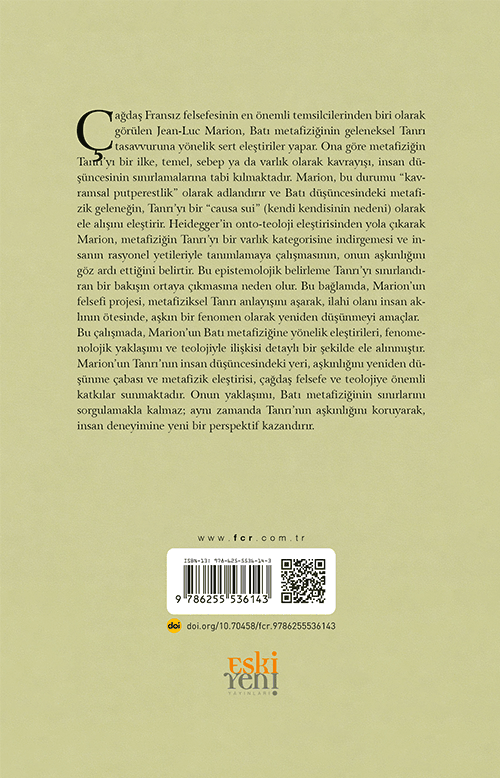
Çağdaş Fransız felsefesinin en önemli temsilcilerinden biri olarak görülen Jean-Luc Marion, Batı metafiziğinin geleneksel Tanrı tasavvuruna yönelik sert eleştiriler yapar. Ona göre metafiziğin Tanrı’yı bir ilke, temel, sebep ya da varlık olarak kavrayışı, insan düşüncesinin sınırlamalarına tabi kılmaktadır. Marion, bu durumu “kavramsal putperestlik” olarak adlandırır ve Batı düşüncesindeki metafizik geleneğin, Tanrı’yı bir “causa sui” (kendi kendisinin nedeni) olarak ele alışını eleştirir. Heidegger’in onto- teoloji eleştirisinden yola çıkarak Marion,  metafiziğin Tanrı’yı bir varlık kategorisine indirgemesi ve insanın rasyonel yetileriyle tanımlamaya çalışmasının, onun aşkınlığını göz ardı ettiğini belirtir. Bu epistemolojik belirleme Tanrı’yı sınırlandıran bir bakışın ortaya çıkmasına neden olur. Bu bağlamda, Marion’un felsefi projesi, metafiziksel Tanrı anlayışını aşarak, ilahi olanı insan aklının ötesinde, aşkın bir fenomen olarak yeniden düşünmeyi amaçlar. Söz konusu anlayışın aşılmasının yolu olarak ise Marion, fenomenolojiyi devre sokmak ister. Marion’un düşüncesinde fenomenoloji, metafizik sınırları aşmak için kritik bir rol oynar. “Doygun fenomen” ve “verilmişlik” gibi kavramları, onun fenomenolojik yaklaşımının temel taşlarıdır. Doygun fenomen, insan kavrayışını aşan bir deneyim biçimini ifade ederken, verilmişlik, bu fenomenlerin kendilerini nasıl sunduğunu açıklayan bir çerçeve sunar. Marion, bu kavramlar aracılığıyla, Tanrı’nın insan deneyimindeki aşkın varlığını anlamaya çalışır. Özellikle, Tanrı’yı ikonik bir bakış ile ele almak istemesi, onun düşüncesinin merkezindedir. İkon, Tanrı’nın insana kendini açtığı, ancak insan kavrayışını aşarak aşkınlığını koruduğu bir ilişki biçimini temsil eder. Bu yaklaşım, hem metafiziğin geleneksel Tanrı tasavvurunu hem de modern teolojinin sınırlamalarını aşmayı hedefler. Modern teoloji ve düşüncenin merkezinde de yer alan Tanrı meselesine yönelik ise Marion, Descartes’ten hareket eder. Marion’un Descartes eleştirisi, modern metafizik geleneğinin temel taşlarından birine yönelir. Descartes, Tanrı’yı rasyonel bir ilke olarak merkeze almış ve onu bilginin temel kaynağı olarak tanımlamıştır. Marion, Descartes’ın Tanrı’yı bir “kendi kendisinin nedeni” olarak kavrayışının, ilahi olanı bir metafizik sisteme indirgediğini ve onun aşkınlığını zedelediğini savunur. Bu eleştiri, Marion’un Batı metafiziğinin Tanrı anlayışına yönelik genel eleştirisinin bir uzantısıdır. Buna karşılık, Orta Çağ düşünürlerinden Aquinas’ın Tanrı’yı aşkın bir varlık olarak ele alışı, Marion tarafından daha tutarlı ve Tanrı’nın doğasına uygun bir yaklaşım olarak görülür. Yine Marion, geleneksel Batı düşüncesinin Tanrı anlayışının yıkılmasındaki merkezi figür olarak gördüğü Nietzsche’yi ele alarak, onun “Tanrı öldü” sözüne de ayrıca önem verir. Marion’a göre bu söz felsefede bir çok şeyin yeniden ele alınması için önemli bir kalkış noktasıdır. “Tanrı öldü” sözüne önem veren bir diğer düşünür olan Heidegger’i de ele alan Marion için, Heidegger’in metafiziğe yönelik ileri sürdüğü suçlamalar doğrudur. Fakat Heidegger, Tanrı konusunda çifte bir putperestlik sergilemektedir. Ona göre bu durum, Heidegger’in meseleyi tam olarak aşamadığının bir göstergesidir. Marion’un felsefesi hem metafizik hem de teoloji alanında yenilikçi bir perspektif sunduğunu söyleyebiliriz. Onun metafizik eleştirisi, Tanrı’nın geleneksel kavramsal çerçevelerin ötesinde düşünülmesi gerektiğini vurgular. Teolojik düzlemde ise Marion, Tanrı’nın insan kavrayışının ötesinde bir fenomen olarak ele alınmasının, ilahi olanın aşkınlığını koruyacağını savunur. Bununla birlikte, Marion’un Tanrı’nın aşkınlığına yaptığı vurgu, bazı eleştirmenler tarafından, Tanrı’yı insan deneyiminden kopardığı için eleştirilmiştir. Ancak Marion, Tanrı’nın insan deneyiminde kendini açtığı, fakat hiçbir zaman tam anlamıyla kavranamayacak bir aşkınlık taşıdığı fikrini savunarak bu eleştirilere yanıt verir. Bu çalışmada, Marion’un Batı metafiziğine yönelik eleştirileri, fenomenolojik yaklaşımı ve teolojiyle ilişkisi detaylı bir şekilde ele alınmıştır. Marion’un Tanrı’nın insan düşüncesindeki yeri, aşkınlığını yeniden düşünme çabası ve metafizik eleştirisi, çağdaş felsefe ve teolojiye önemli katkılar sunmaktadır. Onun yaklaşımı, Batı metafiziğinin sınırlarını sorgulamakla kalmaz; aynı zamanda Tanrı’nın aşkınlığını koruyarak, insan deneyimine yeni bir perspektif kazandırır.
Anahtar Kelimeler: Varlıksız Tanrı; Kavramsal putperestlik; Vahiy Fenomeni; Tanrının Ölümü; Metafizik
 İÇ SAYFALAR
Conceptual Idolatry and Philosophy -An Introduction to the Philosophy of Jean-Luc Marion-
Jean-Luc Marion, regarded as one of the most important representatives of contemporary French philosophy, sharply criticises the traditional conception of God in Western metaphysics. According to him, the metaphysical conception of God as a principle, foundation, cause or being or reason subordinates God to the limitations of human thought. Marion calls this ‘conceptual idolatry’ and criticises the metaphysical tradition in Western thought, which treats God as a ‘causa sui’ (self-cause). Drawing on Heidegger’s critique of onto-theology, Marion argues that metaphysics’ reduction of God to a category of being and its attempt to define God in terms of human rational faculties ignores His transcendence. This epistemological determination leads to a view that limits God. In this context, Marion’s philosophical project aims to overcome the metaphysical understanding of God and rethink the divine as a transcendent phenomenon beyond human reason. As a way to overcome this understanding, Marion wants to bring phenomenology into play. In Marion’s thought, phenomenology plays a critical role in overcoming metaphysical limits. His concepts such as ‘saturated phenomenon’ and ‘givenness’ are the cornerstones of his phenomenological approach. While saturated phenomena express a form of experience that transcends human comprehension, givenness provides a framework that explains how these phenomena present themselves. Through these concepts, Marion seeks to understand God’s transcendent presence in human experience. In particular, it is at the centre of his thought that he seeks to address God through an iconic gaze. The icon represents a form of relationship in which God reveals himself to human beings, yet retains his transcendence by transcending human understanding. This approach aims to overcome both the traditional conception of God in metaphysics and the limitations of modern theology. Regarding the issue of God, which is also at the centre of modern theology and thought, Marion starts from Descartes. Marion’s criticism of Descartes is directed at one of the cornerstones of the modern metaphysical tradition. Descartes centred God as a rational principle and defined him as the fundamental source of knowledge. Marion argues that Descartes’ conception of God as a “self-cause” reduces the divine to a metaphysical system and undermines its transcendence. This criticism is an extension of Marion’s general criticism of Western metaphysics’ understanding of God. On the other hand, Aquinas’ view of God as a transcendent being is seen by Marion as a more consistent and appropriate approach to the nature of God. Marion also pays special attention to Nietzsche, whom he sees as the central figure in the destruction of the traditional Western thought’s understanding of God, and to his statement that ‘God is dead’. According to Marion, this statement is an important point of departure for the reconsideration of many things in philosophy. Marion also discusses Heidegger, another thinker who attaches importance to the phrase ‘God is dead’, and argues that Heidegger’s accusations against metaphysics are true. However, Heidegger exhibits a double idolatry about God. According to him, this is an indication that Heidegger has not fully overcome the issue. We can say that Marion’s philosophy offers an innovative perspective in both metaphysics and theology. His critique of metaphysics emphasises that God should be thought beyond traditional conceptual frameworks. On the theological plane, Marion argues that treating God as a phenomenon beyond human comprehension will preserve the transcendence of the divine. However, Marion’s emphasis on God’s transcendence has been criticised by some critics for detaching God from human experience. However, Marion responds to these criticisms by defending the idea that God reveals himself in human experience, but carries a transcendence that can never be fully grasped. In this study, Marion’s criticisms of Western metaphysics, his phenomenological approach and his relationship with theology are discussed in detail. Marion’s attempt to rethink the place and transcendence of God in human thought and his critique of metaphysics make important contributions to contemporary philosophy and theology. His approach not only questions the limits of Western metaphysics, but also preserves the transcendence of God and brings a new perspective to human experience.
Keywords: God without Being; Conceptual Idolatry; Phenomenon of Revelation; Death of God; Metaphysics

Genel Yayın No

1561

Marka

Eskiyeni

Marka No

301

ISBN

9786255536143

Yayım Tarihi

21.02.2025

Dil

Boyut

13,5 x 21 cm

Baskı Sayısı

1

Sayfa Sayısı

188

Kağıt Cinsi

70 gr. Enzo

Kapak

Taksitleri Güncelle