-29%₺190,00 Orijinal fiyat: ₺190,00.₺135,00Şu andaki fiyat: ₺135,00.
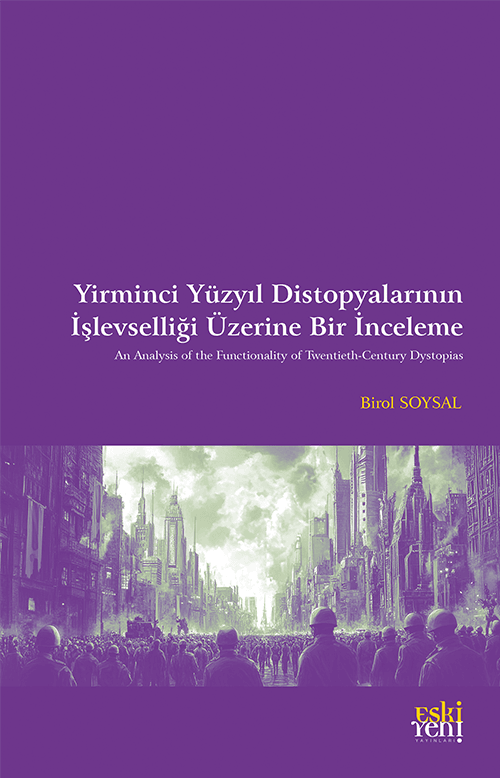
Yirminci Yüzyıl Distopyalarının İşlevselliği Üzerine Bir İnceleme
Yirminci Yüzyıl Distopyalarının İşlevselliği Üzerine Bir İnceleme
Bu çalışma, yirminci yüzyıl distopyalarının işlevselliğini, toplumsal düzenin bozulması ve bireysel özgürlüklerin kısıtlanması bağlamında incelemektedir. Ütopyaların iyimser ve idealize edilmiş toplum kurgularının aksine, distopyalar toplumsal yapıların otoriterleşmesi, teknolojik gelişmelerin bireyleri kontrol altına alması ve insan doğasının karanlık yönlerinin açığa çıkması gibi konulara vurgu yapar. Yirminci yüzyılın savaşlar, politik karmaşa ve teknolojik ilerlemelerle şekillenen atmosferinde, ütopyaların ideal toplum hayalleri yerini giderek distopyalara bırakmıştır. George Orwell, Aldous Huxley, Yevgeni Zamyatin ve Ray Bradbury gibi yazarlar tarafından kaleme alınan 1984, Cesur Yeni Dünya, Biz ve Fahrenheit 451 gibi klasik distopyalar, bireylerin özgürlüklerini kaybettiği, devletin mutlak kontrole sahip olduğu ve teknolojinin bireyleri baskı altında tuttuğu toplumları betimleyerek bu tür tehlikeleri gözler önüne serer. Bu distopik kurgular, ütopyaların vaat ettiği ideal düzenin toplumsal ve bireysel özgürlükleri baskılayarak birer kabusa dönüşebileceği eleştirisini içerir. Distopyalar, ütopyacı ideallerin gerçekleştirilme süreçlerinde ortaya çıkabilecek potansiyel tehlikelere dikkat çekmekte; okuru, bireysel hakların korunması gerekliliği üzerine düşündürmeye sevk etmektedir. Bu bağlamda çalışma, yirminci yüzyıl distopyalarının sadece karanlık bir gelecek tasviri sunmakla kalmayıp aynı zamanda toplumsal eleştiri ve uyarı işlevi gördüğünü vurgulamaktadır.
Anahtar Kelimeler: Ütopya; Distopya; Orwell; Huxley; Zamyatin; Bradbury
 İÇ SAYFALAR
An Analysis of the Functionality of Twentieth-Century Dystopias
This study examines the functionality of twentieth-century dystopias in the context of societal decay and the restriction of individual freedoms. Unlike utopias, which present optimistic and idealized societal models, dystopias emphasize themes such as the authoritarian structuring of social systems, the use of technological advancements to control individuals, and the revelation of darker aspects of human nature. Within the wartorn, politically tumultuous, and technologically evolving atmosphere of the twentieth century, the hopeful visions of utopias increasingly gave way to dystopian portrayals. Classical dystopian works such as 1984 by George Orwell, Brave New World by Aldous Huxley, We by Yevgeny Zamyatin, and Fahrenheit 451 by Ray Bradbury depict societies where individual freedoms are lost, the state wields absolute control, and technology is employed to oppress individuals, highlighting the dangers of these scenarios. These dystopian narratives critique the potential for utopian ideals to transform into nightmares by suppressing both social and individual liberties. Dystopias warn of the potential risks involved in striving for utopian ideals, urging readers to reflect on the necessity of safeguarding individual rights. In this sense, the study emphasizes that twentieth-century dystopias not only portray dark futures but also serve as tools for societal critique and caution.
Keywords: Utopia; Dystopia; Orwell; Huxley; Zamyatin; Bradbury