-31%₺310,00 Orijinal fiyat: ₺310,00.₺215,00Şu andaki fiyat: ₺215,00.
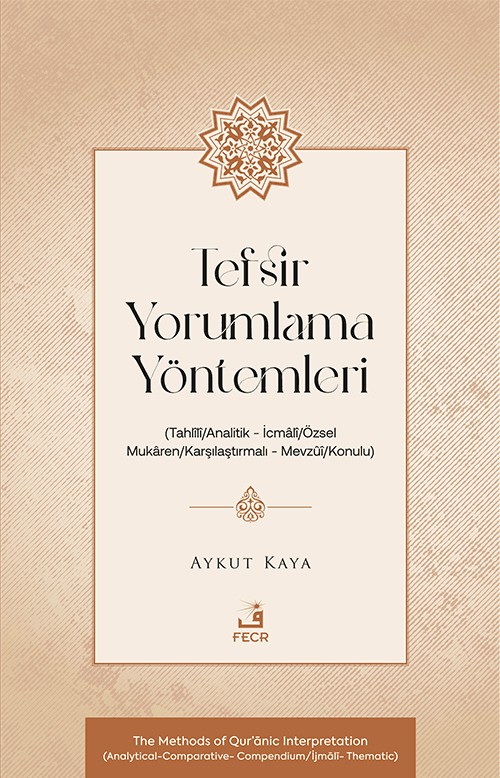
Tefsir Yorumlama Yöntemleri (Tahlîlî/Analitik – İcmâlî/Özsel – Mukâren/Karşılaştırmalı – Mevzûî/Konulu)
Tefsir Yorumlama Yöntemleri (Tahlîlî/Analitik – İcmâlî/Özsel – Mukâren/Karşılaştırmalı – Mevzûî/Konulu)
Bu çalışma, tarihten günümüze Kur’an’ın anlaşılması ve yorumlanmasında kullanılan bir kısım yöntemleri ele almaktadır. Söz konusu yöntemler kronolojik olarak dört ana başlık altında incelenmektedir: Tahlîlî (Analitik), İcmâlî (Özsel), Mukâren (Karşılaştırmalı) ve Mevzûî (Konulu). Araştırma, bu yöntemlerin her birisinin kavramsal çerçevesini, tarihsel gelişimlerini, karakteristik özelliklerini, araştırmada takip ettikleri aşamaları ve eleştiri noktalarını detaylı şekilde ele almaktadır. Eser, tefsir yöntemleri konusunda akademik eksiklikleri gidermeyi ve araştırmacılara bu konularda rehberlik etmeyi amaçlamaktadır. Ele alınan yöntemlerin en kadîmi olan tahlîlî tefsir yöntemi, Kur’an’ı Mushaf sırasına göre detaylı bir şekilde açıklayarak dilbilimsel analiz, tarihsel bağlam ve rivâyetlerden faydalanır. Bu yöntem, klasik tefsirin temelini oluşturur ve Kur’an’ın derinlemesine anlaşılmasını hedefler. İcmâlî tefsir yöntemi, âyet ve surelerin özlü açıklamalarına odaklanır; özellikle âyetlerin vermek istediği ana mesajı vurgular ve âyet ile gündelik hayat arasında sıkı bir ilişki kurar. Mukâren tefsir yöntemi, tefsir mirasında var olan farklı görüşleri karşılaştırarak âyet yorumlarına zenginlik katar. Konulu tefsir yöntemi ise belirli bir konuyu Kur’an bütünlüğünü ve nüzûl zamanını esas alarak analiz eder. Çağdaş dönemde sistematik hale gelen bu yöntem, gündelik hayatla sıkı bir ilişki içerisinde ortaya çıkan sorunlara Kur’an perspektifinden cevaplar sunar. Çalışma, genel itibariyle sosyal bilimler araştırma yöntemlerinden nitel araştırma yönteminin literatür tarama, doküman inceleme ve analiz yöntemine dayalı olarak gerçekleştirilmiştir. Dolayısıyla her bir konu öncelikle betimleyici bir üslupla işlenmiş olsa da gerekli görülen yerlerde konuya dair öznel yaklaşımlarımıza yer verilmiştir. Kur’an yorumuna dair farklı yöntemlerin ortaya çıkıp uygulanmasında, dönemin ihtiyaçlarını karşılama düşüncesiyle birlikte farklı medeniyet ve kültürlerle etkileşim, sosyal- siyasal olaylar ile itîkâdî ve mezhebî ihtilafların başat rol oynadığı tespit edilmiştir. Bu durum, ileride söz konusu şartların değişimiyle Kur’an yorumunda alternatif yöntemlerin geliştirilebileceğine işaret etmektedir. Geliştirilebilecek sağlıklı yorum yöntemlerinin yolu mevcut olanları yeterince irdelemekten geçmektedir.
Anahtar Kelimeler: Tefsir; Tahlîlî; İcmâlî; Mukâren; Mevzûî/Konulu; Yöntem
 İÇ SAYFALAR
The Methods of Qur’ānic Interpretation (Analytical- Comparative- Compendium/İjmālī- Thematic)
This study deals with some of the methods used in the understanding and interpretation of the Qur’ān from history to the present day. These methods are examined chronologically under four main headings: Analytical, Comparative, Compendium/ İjmālī, Thematic. The research discusses in detail the conceptual framework of each of these methods, their historical development, their characteristics, the stages they follow in research and their points of criticism. The book aims to fill the academic gaps in tafsīr methods and guide researchers on these issues. The most ancient of the methods, the tahlīlīlī/ Analytical exegesis method utilizes linguistic analysis, historical context, and narrations to explain the Qur’ān in detail in the order of the al-Musḥaf. This method forms the basis of classical exegesis and aims at a deep understanding of the Qur’ān. The Compendium/ İjmālī method of exegesis focuses on concise explanations of verses and suras, emphasizes the main message of the verses, and establishes a close relationship between the verse and daily life. The method of Comparative tafsīr enriches the interpretation of verses by comparing different views that exist in the heritage of tafsīr. The thematic method of exegesis analyzes a specific topic based on the unity of the Qur’ān and the time of its revelation. This method, which has become systematized in the contemporary period, offers answers to problems that arise in close relation to everyday life from the perspective of the Qur’ān. The study was carried out based on the literature review, document review and analysis method of the qualitative research method, which is one of the social sciences research methods in general. Therefore, although each topic has been covered primarily in a descriptive style, our subjective approaches to the subject have been included where necessary. It has been determined that interaction with different civilizations and cultures, social and political events, and theological and sectarian conflicts played a major role in the emergence and application of different methods of Qur’ānic interpretation, along with the idea of meeting the needs of the period. This indicates that alternative methods of Qur’ānic interpretation may be developed in the future as these conditions change. The only way to develop healthy methods of interpretation is to examine the existing ones sufficiently.
Keywords: Tafsīr; Analytical; Comparative; Compendium/İjmālī; Thematic; Method