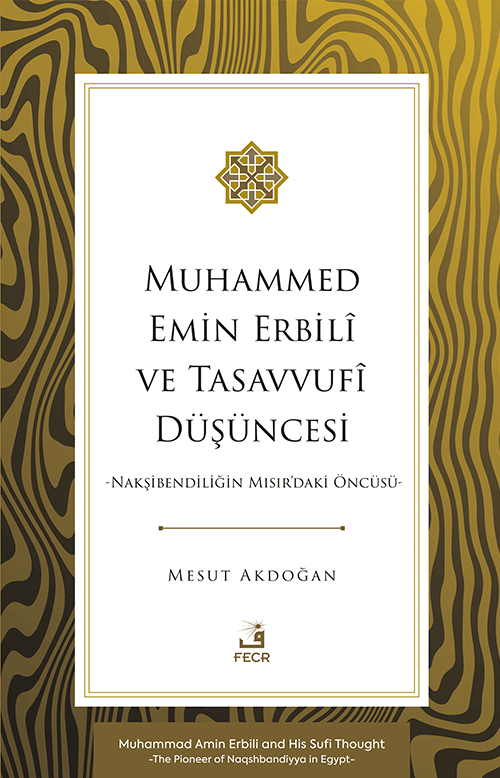
Muhammad Amin Erbili and His Sufi Thought -The Pioneer of Naqshbandiyya in Egypt-
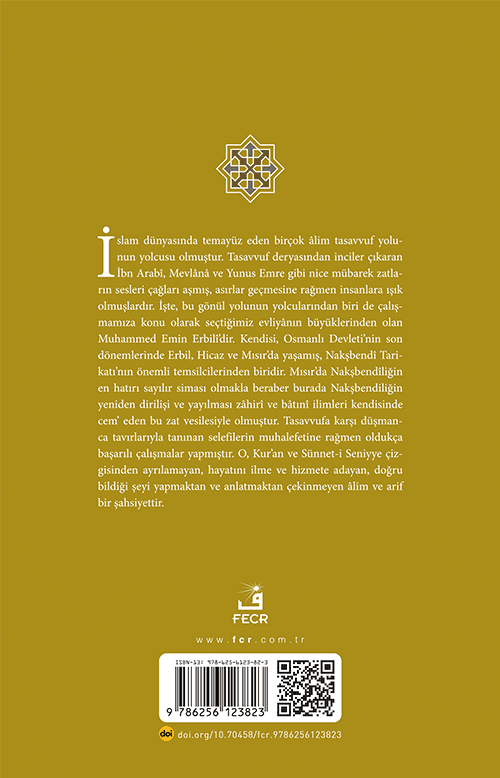
Muhammed Amin Erbili is one of the important representatives of the Khalidi branch of the Naqshbandi order in the 19th and 20th centuries. Combining both exoteric and esoteric sciences, Erbili played a significant role in the revival and spread of Naqshbandism in Egypt. This study aims to introduce Muhammed Emin Erbili who lived during the late Ottoman period in regions such as Erbil, Hejaz, and Egypt, and to bring his Sufi thoughts to light and therefore contribute it to scholarly life. Indeed, the ideas of such individuals continue to illuminate the path of people, especially scholars, today, as they did in the past. Prepared by considering classical sources and academic studies, this work consists of an introduction and two main chapters. The introduction attempts to portray Naqshbandism and the political, social, and cultural context of the period to better understand Erbili. The first chapter focuses on his exemplary character, devoted to knowledge and spiritual enlightenment, by exploring his life. The second chapter delves into his Sufi thoughts, highlighting his contributions to contemporary knowledge and his lifelong dedication to learning and spiritual guidance, going beyond merely being a Naqshbandi guide. What inspired this study was Muhammed Emin Erbili’s scholarly and spiritual character, which adhered strictly to the Quran and the Prophetic Tradition (Sunnah), applied knowledge and wisdom in his life, and devoted himself entirely to learning and service. He was a scholar and mystic who fearlessly spoke and acted upon what he believed to be true. Alongside his Sufi identity, Erbilî was a distinguished scholar in the exoteric sciences, authoring numerous works in fields such as hadith, jurisprudence (fiqh), exegesis (tafsir), Quranic recitation (qira’at), and Sufism. Despite the challenging conditions of his time, he continued his spiritual guidance activities in Egypt, ensuring the spread of Naqshbandism in the region.
Keywords: Sufism, Naqshbandi, Egypt, Muhammad Amin Erbili, Tanweer al-Quloob, Iraq.

 İÇ SAYFALAR