1000₺ ve üzeri alışverişlerde ÜCRETSİZ KARGO
Hafta içi saat 12.00‘ye kadar verilen siparişler AYNI GÜN KARGODA

  • 0 Items - 0,00
    • Sepette hiç bir ürün yok.
%30 İNDİRİM

Orijinal fiyat: ₺505,00.Şu andaki fiyat: ₺355,00.

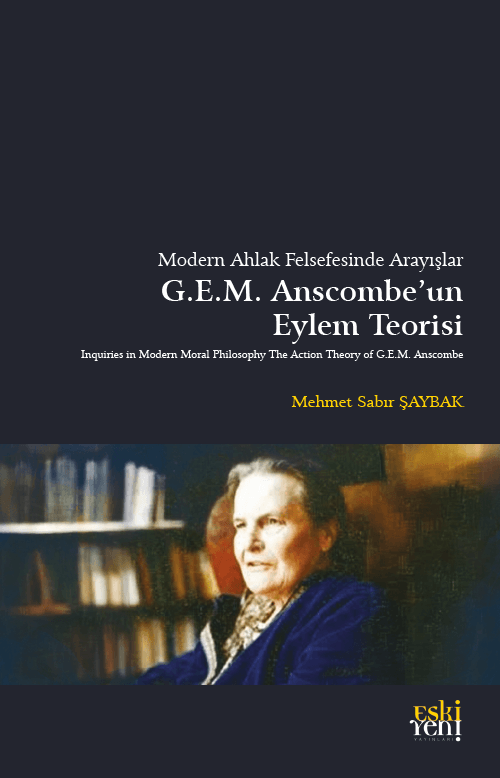
Modern Ahlak Felsefesinde Arayışlar G.E.M. Anscombe’un Eylem Teorisi

Inquiries in Modern Moral Philosophy The Action Theory of G.E.M. Anscombe

10.70458/fcr.9786255536396

0000-0002-5585-2935 ES0326 , ,
Paylaş
Modern Ahlak Felsefesinde Arayışlar G.E.M. Anscombe’un Eylem Teorisi
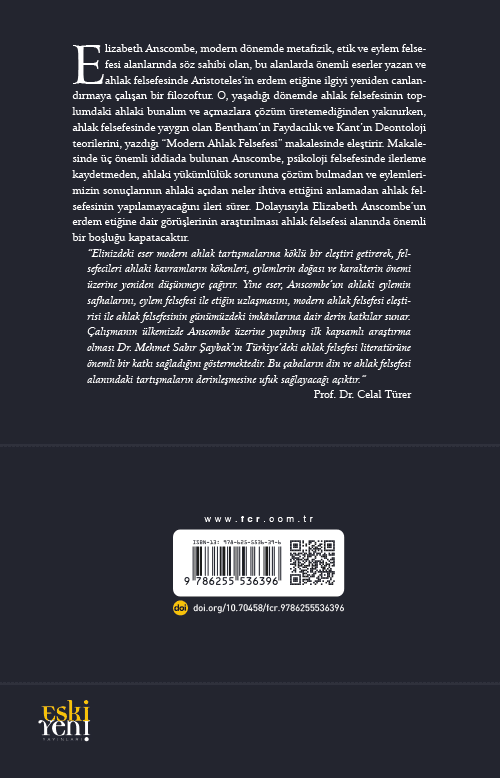
Bu çalışmada bir bütün olarak Anscombe’un ahlak felsefesi ele alınmış olup, buradan hareketle onun mevcut ahlak teorileri hakkındaki tespit, eleştiri ve tavsiyeleri incelenmiştir. Anscombe, ahlak felsefesi alanındaki başlıca çalışması sayılan “Modern Ahlak Felsefesi” adlı makalesini 1958’de yayımlamıştır. Anscombe’un makalesi, kadim gelenekten kopan ahlak teorilerinin modern çağın sorunlarıyla baş edemediği iddiası etrafında örgütlenir ve üç ana tez sunar: Ahlak alanında psikoloji felsefesi üzerinden ilerlemek gerekir; ahlaki yükümlülük meselesi ‘ödev’, ‘gerekir’, ‘doğru’ ve ‘yanlış’ gibi kavramlarla hâlledilemez; ahlaki eylemi sadece sonuçlarına göre değerlendiren filozoflar arasında hiçbir fark yoktur. Birinci bölümde Anscombe’un ilk tezine, yani ‘ahlak alanında psikoloji felsefesi üzerinden ilerlemek gerekir’ düşüncesine yer verildi. Bu çerçevede Anscombe’un niyet kavramına merkezlenen eylem felsefesi tartışmaya açıldı ve söz konusu anlayışı tarif eden eylem, benlik, birinci şahıs, pratik bilgi, pratik akıl ve pratik çıkarım kavramları açıklığa kavuşturulmaya çalışıldı. İkinci bölümde Anscombe’un diğer iki tezi birlikte ele alındı. Bu bölümde Anscombe’un ‘ahlaki yükümlülük meselesi ‘ödev’, ‘gerekir’, ‘doğru’ ve ‘yanlış’ gibi kavramlarla hâlledilemez’ ve ‘ahlaki eylemi sadece sonuçlarına göre değerlendiren filozoflar arasında hiçbir fark yoktur’ şeklinde ifade ettiği tezlerin ne anlama geldiği tartışıldı. Böylece bu iddiaların kadim ve modern ahlak teorileriyle bağlantıları, ‘sonuççuluğun’ anlamı, en nihayetinde tüm bu terimlerden ne anlaşılması gerektiği üzerinde duruldu. Sonuç olarak Anscombe’a göre çağımızın problemlerine cevap verebilecek işlevsel bir ahlak teorisine ancak psikoloji üzerinden erişilebilir. Dahası ödev, yasa, ahlaki gerekir gibi kadim ahlak tasavvurumuzun kalıntıları olan kavramlarla ahlak problemi çözülemez çünkü bunlar modern dönemin sorunlarına cevap veremez. Ahlaki eylemi salt sonuçlarına göre yargılayan filozoflar/teoriler eylemin kast edilen ve öngörülen sonuçları arasında bir ayrım yaparak, ahlaki sorumluluk meselesini açıklığa kavuşturamamışlardır.
Anahtar Kelimeler: Ahlak; Etik; Anscombe; Niyet; Eylem; Ahlaki Yükümlülük; Sonuççuluk
 İÇ SAYFALAR
Inquiries in Modern Moral Philosophy
The Action Theory of G.E.M. Anscombe
This study deals with Anscombe’s moral philosophy, and examines his
observations, criticisms, and recommendations on existing moral theories.
In his 1958 article “Modern Moral Philosophy”, which is considered
to be his main work in the field of moral philosophy, Anscombe
argues that moral theories that break away from the ancient tradition
cannot cope with the problems of the modern age and puts forward
three main theses: It is necessary to proceed through the philosophy
of psychology in the field of morality; the issue of moral obligation
cannot be resolved with concepts such as “duty”, “ought”, “right” and
“wrong”; there is no difference between philosophers who evaluate
moral action only according to its consequences. In the first chapter,
Anscombe’s thesis that “it is necessary to proceed through the philosophy
of psychology in the field of ethics” has been presented. In this
context, Anscombe’s philosophy of action centered on the concept of
intention has discussed and the concepts of action, self, first person,
practical knowledge, practical reason, and practical inference that describe
this understanding have been explained. In the second part, the
implications of Anscombe’s other two theses, namely, the question of
moral obligation cannot be settled by concepts such as “duty”, “ought”,
“right” and “wrong”, and there is no difference between philosophers
who evaluate moral action only in terms of its consequences, have been
discussed. Thus, the connections of these claims with ancient and modern
moral theories, the meaning of “consequentialism” and ultimately
what should be understood from all these terms have been emphasized.
In conclusion, according to Anscombe, a functional moral theory that
can respond to the problems of our age can only be accessed through
psychology. Moreover, the problem of morality cannot be solved with
concepts such as duty, law, and ought, which are the remnants of our
ancient conception of morality, because they cannot respond to the
problems of the modern era. Philosophers or theories that judge moral
action based solely on its consequences have failed to clarify the issue of
moral responsibility by distinguishing between the intended and foreseen
consequences of action.
Keywords: Morality; Ethics; Anscombe; Intention; Action; Moral Obligation;
Consequentialism

Genel Yayın No

1648

Marka

Eskiyeni

Marka No

326

ISBN

9786255536396

Yayım Tarihi

12.07.2025

Dil

Boyut

13,5 x 21 cm

Baskı Sayısı

1

Sayfa Sayısı

376

Kağıt Cinsi

70gr. Enso (Renkli Baskı)

Kapak

Taksitleri Güncelle