-30%₺520,00 Orijinal fiyat: ₺520,00.₺365,00Şu andaki fiyat: ₺365,00.
Kemalpaşazâde’nin Mâhiyet Teorisi
Kemalpaşazâde’nin Mâhiyet Teorisi
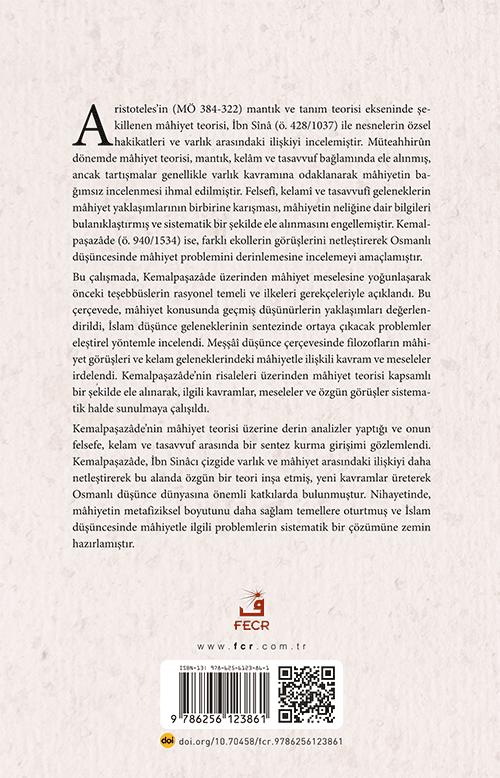
Aristoteles’in (MÖ 384-322) mantık ve tanım teorisi ekseninde şekillenen mâhiyet teorisi, İbn Sînâ (ö. 428/1037) ile nesnelerin özsel hakikatleri ve varlık arasındaki ilişkiyi incelemiştir. Müteahhirûn dönemde mâhiyet teorisi, mantık, kelâm ve tasavvuf bağlamında ele alınmış, ancak tartışmalar genellikle varlık kavramına odaklanarak mâhiyetin bağımsız incelenmesi ihmal edilmiştir. Felsefî, kelamî ve tasavvufî geleneklerin mâhiyet yaklaşımlarının birbirine karışması, mâhiyetin neliğine dair bilgileri bulanıklaştırmış ve sistematik bir şekilde ele alınmasını engellemiştir. Kemalpaşazâde (ö. 940/1534) ise, farklı ekollerin görüşlerini netleştirerek Osmanlı düşüncesinde mâhiyet problemini derinlemesine incelemeyi amaçlamıştır.
Bu çalışmada, Kemalpaşazâde üzerinden mâhiyet meselesine yoğunlaşarak önceki teşebbüslerin rasyonel temeli ve ilkeleri gerekçeleriyle açıklandı. Bu çerçevede, mâhiyet konusunda geçmiş düşünürlerin yaklaşımları değerlendirildi, İslam düşünce geleneklerinin sentezinde ortaya çıkacak problemler eleştirel yöntemle incelendi. Meşşâî düşünce çerçevesinde filozofların mâhiyet görüşleri ve kelam geleneklerindeki mâhiyetle ilişkili kavram ve meseleler irdelendi. Kemalpaşazâde’nin risaleleri üzerinden mâhiyet teorisi kapsamlı bir şekilde ele alınarak, ilgili kavramlar, meseleler ve özgün görüşler sistematik halde sunulmaya çalışıldı. Kemalpaşazâde’nin mâhiyet teorisi üzerine derin analizler yaptığı ve onun felsefe, kelam ve tasavvuf arasında bir sentez kurma girişimi gözlemlendi. Kemalpaşazâde, İbn Sinâcı çizgide varlık ve mâhiyet arasındaki ilişkiyi daha netleştirerek bu alanda özgün bir teori inşa etmiş, yeni kavramlar üreterek Osmanlı düşünce dünyasına önemli katkılarda bulunmuştur. Nihayetinde, mâhiyetin metafiziksel boyutunu daha sağlam temellere oturtmuş ve İslam düşüncesinde mâhiyetle ilgili problemlerin sistematik bir çözümüne zemin hazırlamıştır.
Anahtar Kelimeler: Mantık; İslam Felsefesi; Mâhiyet; Vücûd; Metafizik; Kemalpaşazâde; Osmanlı Düşüncesi
 İÇ SAYFALAR
Kemalpashazâda’s Theory of Quiddity
The theory of quiddity, shaped within the framework of Aristotle’s (384–322 BCE) logic and theory of definition, was further developed by Avicenna (Ibn Sīnā, d. 428/1037), focusing on the relationship between the essential realities of objects and existence. In the post-classical (muta’akhkhirūn) period, the theory of quiddity was addressed in the contexts of logic, theology (kalām), and mysticism (taṣawwuf). However, discussions generally concentrated on the concept of existence, neglecting the independent examination of quiddity. The blending of philosophical, theological, and mystical traditions in their approaches to quiddity obscured the clarity of knowledge about its nature and hindered its systematic treatment. Kemalpashazâda (d. 940/1534), however, aimed to clarify the perspectives of various schools and deeply investigate the problem of quiddity within Ottoman thought. This study focuses on the issue of quiddity through Kemalpashazâda, explaining the rational foundations and principles of earlier attempts with their justifications. Within this framework, the approaches of previous thinkers on quiddity were evaluated, and the potential problems arising from the synthesis of Islamic intellectual traditions were critically examined. The perspectives of philosophers within the framework of Peripatetic thought, as well as the concepts and issues related to quiddity in theological traditions, were analyzed. Kemalpashazâda’s treatises were comprehensively examined to present the theory of quiddity, systematically addressing related concepts, issues, and his original views. Kemalpashazâda is observed to have conducted profound analyses on the theory of quiddity, striving to establish a synthesis between philosophy, theology, and mysticism. Following Avicennian principles, he clarified the relationship between existence and quiddity, constructing an original theory in this field. By introducing new concepts, he significantly contributed to Ottoman intellectual thought. Ultimately, he provided a firmer metaphysical foundation for quiddity and laid the groundwork for systematically addressing the problems related to quiddity in Islamic thought.
Keywords: Logic; Islamic Philosophy; Quiddity; Existence; Metaphysics; Kemalpaşazâde; Ottoman Thought