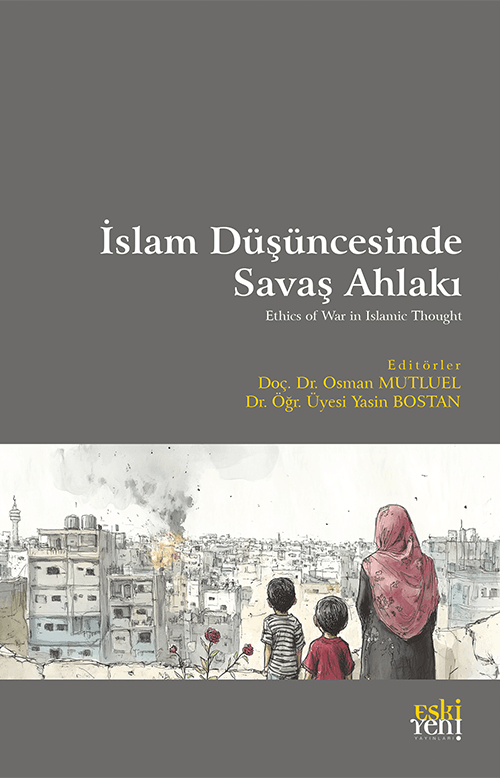
Ethics of War in Islamic Thought
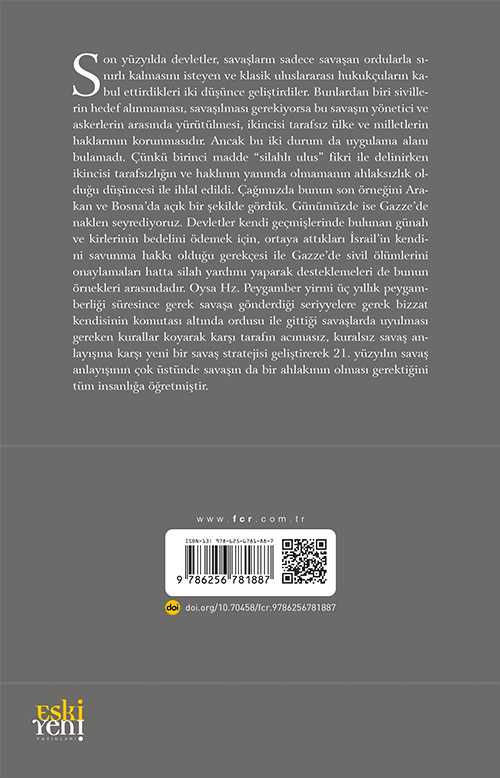
The concepts of War and Ethics are fundamental concepts that humanity must confront in its existence with its own nature. It is known that the meanings and applications that humanity attributes to these concepts have vital and destructive consequences. The entire history of humanity is full of instructive examples of these consequences. For this reason, many political ideologies, legal systems, and religious systems have placed these concepts at the center and have put forward principles for the well-being and safety of humanity. Although religious influences are mentioned in the emergence of wars, what is actually important is that religions also determine the ethical framework and balance of wars. Especially, the Prophet Muhammad had important advice for the peace, tranquility, and happiness of humanity, and he ordered that children, women, the elderly, and aid workers should not be involved in conflicts by considering those fundamental values. On the other hand, theProphet did not want wars to be turned into tragedies or for disproportionate force to be used. For example, he prohibited unlimited looting in the Battle of Badr and evaluated the prisoners within the framework of social responsibilities. Similarly, on the day Mecca was conquered, he declared with humble gratitude, not with the demeanor of a proud commander, that it was a day of forgiveness and mercy, and that no one was victorious or defeated, thus showing that the winning side did not have the right to do whatever they wanted. This framework, as a general principle, points to the moral maturity of humanity and the values that it must acquire in order to mature. As seen clearly in the tragedy of Palestine, when these principles and fundamentals are violated, situations arise that damage human dignity, eliminate basic human rights and freedoms, and result in irreparable pain and trauma.
Keywords: Islam; Islamic Philosophy; Ethics; War Ethics; Human rights

 İÇ SAYFALAR