-29%₺255,00 Orijinal fiyat: ₺255,00.₺180,00Şu andaki fiyat: ₺180,00.
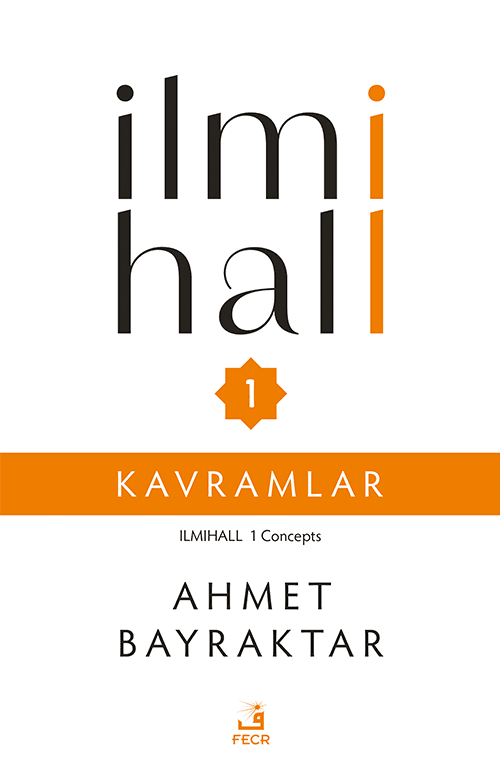
İLMİHALL 1 Kavramlar
İLMİHALL 1 Kavramlar
Kavramlar kitabı, İlmihall serisinin ilk kitabı olarak tasarlandı. Bunun nedeni diğer kitapları okuyacak olanların oradaki zihin evrenini tanıyabilmeleri ve söylemleri doğru değerlendirebilmeleri için yazarın zihninde kavramların neye tekabül ettiğini bilmelerinin şart olmasıdır. İslam literatüründeki vahiy anlayışı ile benim anlayışım uyuşmuyor. Melek, cin kavramlarına ya da olgularına bakışım da tamamen benim bugünün keşif ve yorumlarından aldığım ibretlerle örüntülenmiş durumda.
Ben çoğu konuda benden başkası gibi düşünmüyorum. Bu Gazali, Maturidi ya da Eşari de olsa durum değişmiyor. Onlar kendi dünyalarının eksikleri ve fazlaları ile mümkün olan en iyiyi ve en doğruyu bulma yarışındaydılar. Ben onların görebildiği göklerin ötesine, onların bakabildiği mikro alemin de içine bakabiliyorum. Elektron ve kuarkları gözlemleyen bir dünyanın ilahiyatçısı olarak fikir ve yorumlarımın onların ötesinde olması normaldir. Aksi, benim tembelliğime ve cehaletime yorumlanmalıdır.
Buradaki kavramlardan beşi İslam’ın beş esası diyebileceğim akıl, adalet, ahlat, fıtrat ve tevhit oldu. Sonraki kavramlar önemine binaen ya da gelen taleplerle şekillendi ve toplam on yedi temel kavram ilk gruptu. Sonra, kadim dünyanın ve modern dünyanın beş inanç durumunun anlamları ve bağlamları aktarıldı. Modern dünyanın temel inanç kavramları ile kitap sonlandı. Kitapta bağlamsal bir analiz yöntemi kullanıldı. Koyulan dipnotlar bilginin oradan alındığını değil, benzeri bir yorumun da o kaynakta izine ya da çekirdeğine rastlandığını bildirmektedir.
Anahtarlar Kelimeler: Din; İslam; Fıkıh; İlmihall; Kavramlar; Vahiy; Şirk; Ahlak
 İÇ SAYFALAR
İLMİHALL-1 Concepts
The Book of Concepts was designed as the first in the Ilmihall series. The reason for this is that readers of the other books must understand the mental framework within those texts and accurately evaluate the statements. It is essential for them to know what the concepts in the author’s mind correspond to. My understanding of revelation in Islamic literature does not align with traditional views. My perspective on the concepts or phenomena of angels and jinn is also entirely shaped by the insights I have gained from contemporary discoveries and interpretations.
I do not think like most others on many issues. Whether it is Ghazali, Maturidi, or Ash’ari, this does not change the fact. They were in a race to find the best and most accurate understanding with the deficiencies and advantages of their own worlds. However, I can look beyond the skies they observed and delve into the microcosm they gazed upon. As a theologian in a world where electrons and quarks are observable, it is only natural that my ideas and interpretations extend beyond theirs. Anything less would be a reflection of my own laziness and ignorance.
Five of the concepts here are what I would call the five foundations of Islam: reason (akl), justice (adalet), morality (ahlak), human nature (fitrah), and monotheism (tawhid). The subsequent concepts were shaped either by their importance or through popular demand, resulting in a total of seventeen core concepts in the first group. Following this, the meanings and contexts of the five belief systems of the ancient and modern worlds were conveyed. The book concludes with the fundamental belief concepts of the modern world. A contextual analysis method was used throughout the book. The footnotes do not indicate that the knowledge was directly taken from those sources, but rather that a similar interpretation or its core can be traced back to them.
Keywords: Religion; Islam; Fiqh; Catechism; Ilmihall; Concepts; Revelation; Polytheism; ethic