1000₺ ve üzeri alışverişlerde ÜCRETSİZ KARGO
Hafta içi saat 12.00‘ye kadar verilen siparişler AYNI GÜN KARGODA

  • 0 Items - 0,00
    • Sepette hiç bir ürün yok.
%29 İNDİRİM

Orijinal fiyat: ₺340,00.Şu andaki fiyat: ₺240,00.

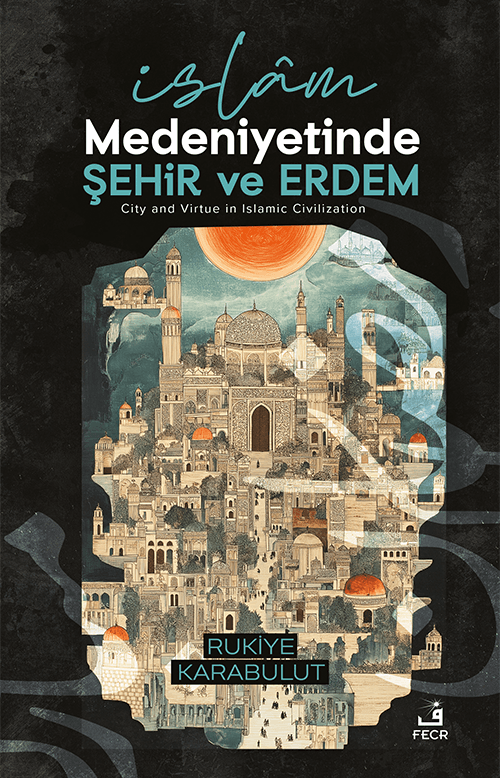
İslâm Medeniyetinde Şehir ve Erdem

City and Virtue in Islamic Civilization

10.70458/fcr.9786256123946

0009-0002-4779-1076 F0940 ,
Paylaş
İslâm Medeniyetinde Şehir ve Erdem
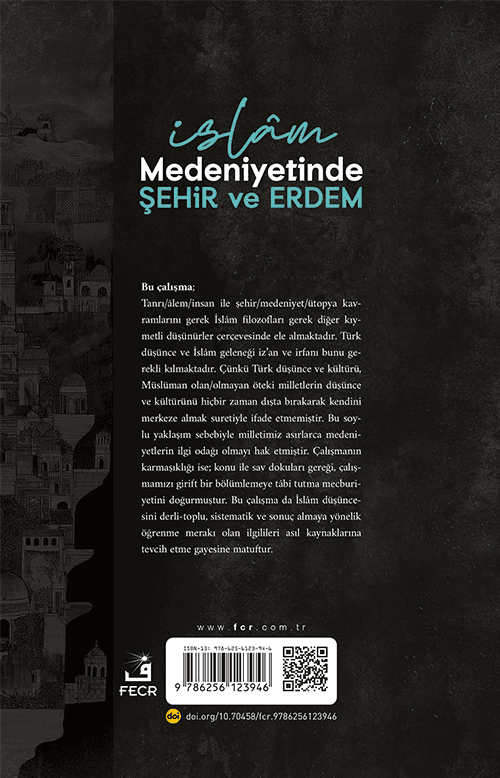
İnsan, içinde bulunduğu çevreyi kendi ihtiyaç ve istekleri doğrultusunda şekil verme yetisine/yeteneğine sahiptir. Bu nedenle sosyal çevre ve fizikî çevre birbiriyle iç içe yaşamaktadır. İnsanın yaşadığı mekânın onu ruhsal ve sosyal açıdan rahat ettirebilmesi ve birçok cihetle ihtiyaçlarına yeterli gelebilmesi gerekmektedir. İbn Haldûn, “İnsanı koşullandıran içinde yaşadığı ortamdır.” Derken sosyal ve fizikî kanunların uyumu gerçeğini göz ardı etmediği anlaşılmaktadır. Şehir; kültürdür, medeniyettir. Ruhun ve hayatın canlılık kazandığı ezelî merkezidir. İslâm şehri açısından önemli olan ahlâk ilkeleri ve dinin temel prensipleridir. İslâm medeniyetinin ruhu, esası, mayası tevhiddir. Şehir, tevhid ruhunu yansıtır. Tevhid; her şeyin yerli yerinde oluşunu ve Allah’ın iradesini gösteren bir düzenin tesis edilmesini ifade eder. Fârâbî, Tanrı-evren ve insan analizini devlet, toplum ve fert ilişkileri bağlamında değerlendirip faziletli bir topluluğun olabilirliğini medenî ilimler bağlamında ortaya koymuştur. Fârâbî, Medinetü’l- Fâzıla (Erdemli Şehir) derken esasen bir şehir içinde yaşamasına rağmen idealize ettiği şehrin erdemle ileri ufuklara taşınabileceğine inanarak toplumları erdeme ve erdemli toplumlar oluşturmaya davet eder. Bu çalışma Tanrı/âlem/insan ile şehir/medeniyet/ütopya kavramlarını gerek İslâm filozofları gerek diğer kıymetli düşünürler çerçevesinde ele almaktadır. Türk düşünce ve İslâm geleneği iz’an ve irfanı bunu gerekli kılmaktadır. Çünkü Türk düşünce ve kültürü, Müslüman olan/olmayan öteki milletlerin düşünce ve kültürünü hiçbir zaman dışta bırakarak kendini merkeze almak suretiyle ifade etmemiştir. Bu soylu yaklaşım sebebiyle milletimiz asırlarca medeniyetlerin ilgi odağı olmayı hak etmiştir. Çalışmanın karmaşıklığı ise; konu ile sav dokuları gereği, çalışmamızı girift bir bölümlemeye tâbi tutma mecburiyetini doğurmuştur. Bu çalışma da İslâm düşüncesini derlitoplu, sistematik ve sonuç almaya yönelik öğrenme merakı olan ilgilileri asıl kaynaklarına tevcih etme gayesine matuftur.
Anahtar Kelimeler: İnsan; Şehir; Medeniyet; Kültür; Fârâbî


 İÇ SAYFALAR
City and Virtue in Islamic Civilization
Human beings have the ability to shape their environment in line with their needs and desires. For this reason, the social environment and the physical environment live intertwined with each other. The space in which human beings live must be able to make them mentally and socially comfortable and be sufficient for their needs in many respects. When Ibn Khaldūn says, “It is the environment in which man lives that conditions him,” it is understood that he does not ignore the fact of the harmony of social and physical laws. The city is culture, civilization. It is the eternal center where the soul and life come alive. What is important for the Islamic city are the principles of morality and the basic principles of religion. The spirit, essence and leaven of Islamic civilization is tawhid. The city reflects the spirit of tawhid. Tawhid means that everything is in its proper place and that an order is established that shows the will of God. Al- Fārābī evaluated the analysis of God-universe and man in the context of state, society and individual relations and revealed the possibility of a virtuous community in the context of civilizational sciences. When al-Fārābī calls Medinet al-Fāzila (Virtuous City), he invites societies to virtue and to create virtuous societies, believing that the city he idealizes can be carried to advanced horizons with virtue, although he actually lives in a city. This study deals with the concepts of God/universe/human and city/civilization/utopia within the framework of both Islamic philosophers and other esteemed thinkers. Turkish thought and the Islamic tradition of iz’an and wisdom make this necessary. Because Turkish thought and culture has never expressed itself by centering itself to the exclusion of the thought and culture of other Muslim and non-Muslim nations. Because of this noble approach, our nation has deserved to be the center of attention of civilizations for centuries. The complexity of the study, on the other hand, has necessitated an intricate compartmentalization of our work due to its subject and argument textures. This study aims to direct those who are interested in learning Islamic thought in an organized, systematic and result-oriented manner to its original sources.
Keywords: Human; City; Civilization; Culture; al-Fārābī

Genel Yayın No

1537

Marka

Fecr

Marka No

940

ISBN

9786256123946

Yayım Tarihi

07.02.2025

Dil

Boyut

13,5 x 21 cm

Baskı Sayısı

1

Sayfa Sayısı

269

Kağıt Cinsi

70 gr. Enzo

Kapak

Taksitleri Güncelle