1000₺ ve üzeri alışverişlerde ÜCRETSİZ KARGO
Hafta içi saat 12.00‘ye kadar verilen siparişler AYNI GÜN KARGODA

  • 0 Items - ₺0,00
    • Sepette hiç bir ürün yok.
-31%YENİ

Orijinal fiyat: ₺420,00.Şu andaki fiyat: ₺290,00.

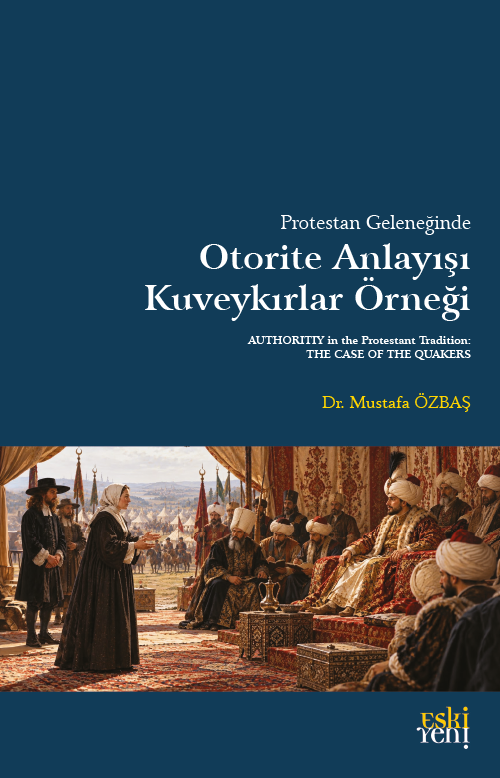
Protestan Geleneğinde Otorite Anlayışı

Theologians of the Digital Age

10.70458/fcr.9786258596663

0000-0001-8428-1193 ES0451 ,
Paylaş
Protestan Geleneğinde Otorite Anlayışı
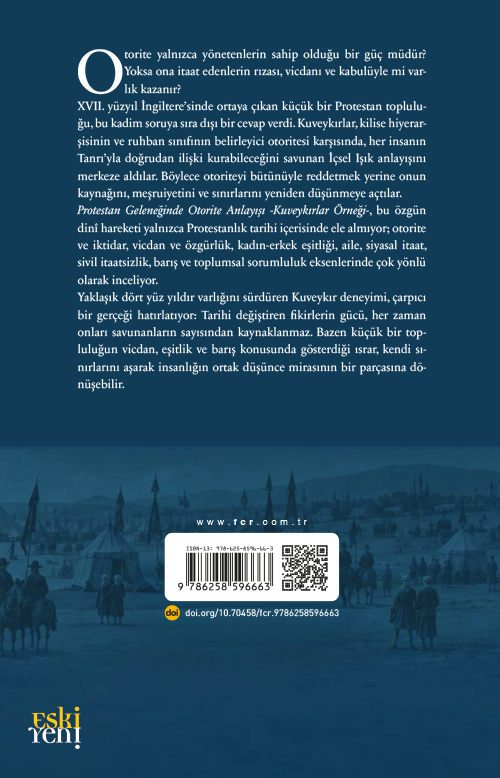
 Bu kitap, Protestan geleneğinde otorite anlayışını, XVII. yüzyıl İngilte­re’sinde ortaya çıkan ve erken modern Hristiyanlık içerisinde dinî oto­riteye yönelik en radikal yaklaşımlardan birini geliştiren Kuveykırlar (Dostlar Cemiyeti) örneği üzerinden incelemektedir. Çalışma, otorite ile iktidar arasındaki kavramsal ayrımdan hareketle otoriteyi yalnızca zorlama veya kurumsal tahakküm biçiminde değil; meşruiyet, rıza, ka­bul ve içselleştirmeye dayanan çok boyutlu bir olgu olarak ele almak­tadır. Analizin merkezinde, özellikle ruhban hiyerarşisi, kurumsal aracılık ve ayrıcalıklı yorum yetkisi gibi geleneksel kilise otoritesi biçimlerinin köklü biçimde yeniden değerlendirilmesine imkân veren Kuveykır­ların İçsel Işık öğretisi yer almaktadır. Kuveykırlık, bireyin Tanrı ile doğrudan ilişki kurabilme imkânını vurgulayarak dinî otoritenin ağır­lık merkezini kişisel deneyime ve devam eden ilahî rehberliğe doğru kaydırmış; ancak kolektif disiplin ve karar alma biçimlerini bütünüyle ortadan kaldırmamıştır. Böylece otorite, bireysel vicdan ile topluluğun ortak ayırt etme ve değerlendirme süreçleri arasında yeniden kurulan ilişkisel bir yapıya dönüşmüştür. Kitap ayrıca bu otorite anlayışının aile hayatı, toplumsal cinsiyet ilişki­leri, siyasal otorite, sivil itaatsizlik, pasifizm ve toplumsal katılım alan­larındaki yansımalarını incelemektedir. Kuveykırların manevi eşitlik anlayışının kadınların dinî hayata katılımından aile ilişkilerine, barıştanıklığından etik temelli kamusal faaliyete kadar uzanan özgün yak­laşımların gelişimine nasıl katkıda bulunduğu ortaya konulmaktadır. Sonuç olarak Kuveykır örneği, otoritenin zorunlu olarak hiyerarşik veya zorlayıcı olmak durumunda olmadığını; vicdan, ahlâkî sorumlu­luk, katılım ve ortak kabul temelinde de inşa edilebileceğini göstermek­te ve din, otorite ve bireysel özgürlük arasındaki süreklilik gösteren ilişkiye özgün bir perspektif sunmaktadır.
Anahtar Kelimeler: Otorite; Dinî Otorite; Protestanlık; Kuveykırlık; İç­sel Işık; Vicdan; Meşruiyet; Din ve Toplum
 İÇ SAYFALAR
Authority in the Protestant Tradition
-The Case of the Quakers-
This book examines the concept of authority within the Protestant tradition through the distinctive case of the Quakers (Religious Society of Friends), a movement that emerged in seventeenth-century England and developed one of the most radical approaches to religious authority in early modern Christianity. Drawing on the conceptual distinction between authority and power, the study approaches authority not merely as coercion or institutional domination, but as a multidimensional phenomenon grounded in legitimacy, consent, recognition, and internalization.
At the center of the analysis is the Quaker doctrine of the Inner Light, through which conventional forms of ecclesiastical authority—particularly clerical hierarchy, institutional mediation, and exclusive interpretive authority—were fundamentally reconsidered. By emphasizing the possibility of a direct relationship between the individual and God, Quakerism relocated religious authority toward personal experience and continuing divine guidance without simply eliminating collective forms of discipline and decision-making. Authority thus emerged as a relational structure negotiated between individual conscience and communal discernment.
The book further explores the implications of this understanding for family life, gender relations, political authority, civil disobedience, pacifism, and social engagement. It demonstrates how Quaker commitments to spiritual equality contributed to distinctive approaches to women’s religious participation, family relations, peace testimony, and ethical public action.
Ultimately, the Quaker case suggests that authority need not be inherently hierarchical or coercive. It may also be constituted through conscience, moral responsibility, participation, and shared recognition, offering a distinctive perspective on the continuing relationship between religion, authority, and individual freedom.
Keywords: Authority; Religious Authority; Protestantism; Quakerism; Inner Light; Conscience; Legitimacy; Religion and Society

Genel Yayın No

2031

Marka

Eskiyeni

Marka No

451

ISBN

9786258596663

Yayım Tarihi

13.10.2026

Dil

Boyut

13,5 x 21 cm

Baskı Sayısı

1

Sayfa Sayısı

340

Kağıt Cinsi

70 gr. Enzo

Kapak

Taksitleri Güncelle