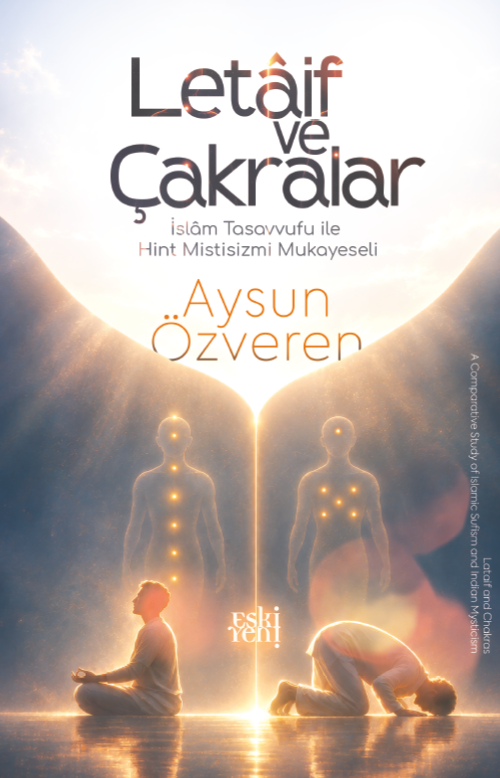
In Hindu mysticism, many studies have been nducted in the fields of physical and psychological health regarding the concepts of yoga, meditation (dhyana), and chakras. In Islamic mysticism, there are also studies in the field of Sufism concerning the terminology of lataif. However, there is no comparative study in the fields of health and theology that addresses the abstract meanings, origins, natüre, and functions of lataif and chakras together. Can metaphysical practices aimed at understanding the meaning that humans knew in their primordial existence but have forgotten today provide physical, phychological, and spiritual satisfaction? We examined this question in the Works of the represantatives of the Indian Naqshbandi Sufis, such as Imam rabbani and the Mujaddidiya, who systematized the concept of lataif in Sufi thought. We also researched the topics of yoga-dhyana and chakras, which are practiced fort he purpose of understanding meaning, in the Yoga Sutras of patanjali, and in the interpretations of the Upanishads by Madhvacharya, ramanuja, and their followers.
In Hindu mysticism, the purification of the physical and sipiritual body is aimed at achieving liberation (moksha). In the guest for liberation, the activation of chakras is particularly significant in methods such as yoga and dhyana. According to Hindu mysticism, there are seven main chakras in the energy body, starting from the base of the spine and ending at the top of the head. In the systematic approach of Imam Rabbani, the sufi practice of dhikr involves ten lataif centers, with fivw located in the body and five in the realm of command (realm of al-amr). In Hindu mysticism, the anahata (chest chakra), ajna chakra (command chakra, third eye), and the heart chakra (hrit) are considered spiritual energy centers that play important roles in reaching a transcendent existence. In our thesis, we explore whether the spiritual purification centers in Islamic centers in Islamic Sufi literature, such as the latifa of the hearth (qalb) located in the middle of the chest, the ahfa latifas in the center of the chest,and the nafs-ı natiqa latifas in the forehead, have similariteie and differences with chakras in terms of localization and functionality. Through various methods, the activation of these energy centers and their roles in achieving states of fanã fi Allah (annihilation in God) and baqã bi Allah (subsistence in God) in Sufism, and moksha in Hindu mysticism, have been investigated in this study.
The state of pure consciousness and tranguility attained through the practice of dhikr, one of the methods applied in Islamic Sufism to reach union with the Divine (Haqq), has been comparatively examined for its similarities and differences with the state experienced or achieved through methods like yoga and dhyana.
Keywords: Mysticism; Islamic Sufism; Yoga; Dhikr, Chakra; Lataif

 İÇ SAYFALAR