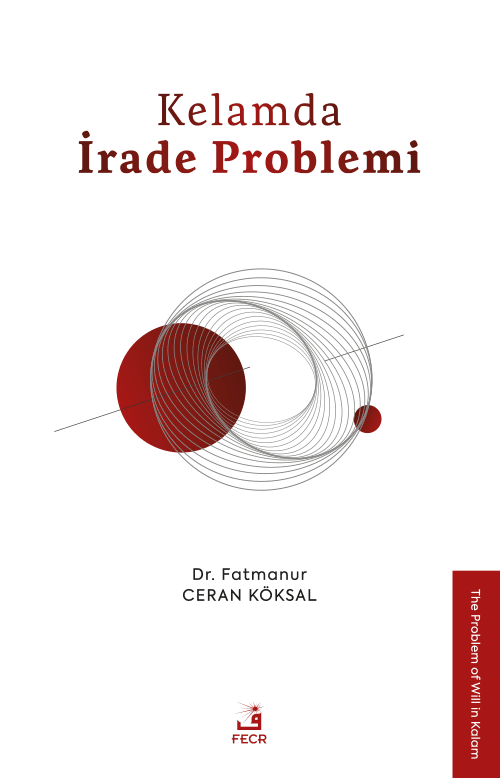
The Problem of Will in Kalam
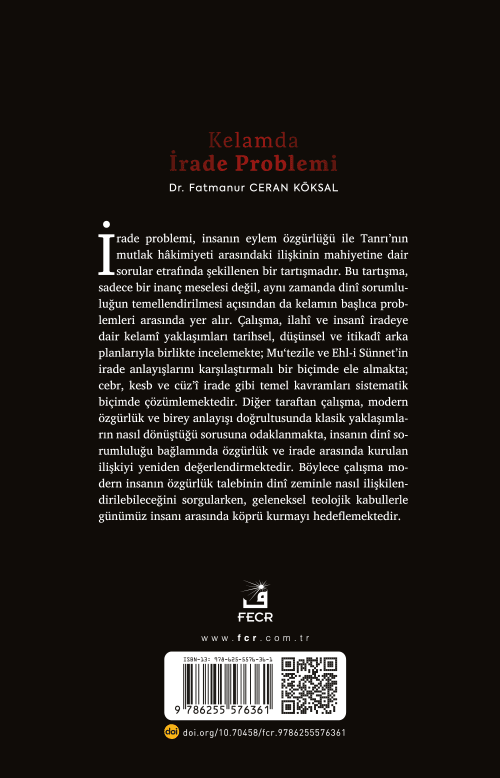
In this study, firstly, the nature of the vision of God adopted by the
theologians in the context of their approaches to divine attributes is
determined. By explaining the approaches of the theological sects regarding
the attributes of will, knowledge and power, the relationship
between divine will and creation according to Mu’tazilite and Sunnite
theologians is determined.
The second part covers the main approaches developed in theology
regarding human will. Accordingly, the jabrī approach, which claims
that human beings do not have will, was mentioned and the religious/
theological grounds of jabr were justified. On the other hand,
mu’tazilite approaches, which argue that human beings have an absolute
free will and explain this with God’s being just, are included.
The Sunnī approaches that emphasize the all-encompassing nature
of the divine will and the fact that human beings also have a certain
degree of will are explained through the preferences of al-Ash’arī and
al-Māturīdī theology on the subject.
The third chapter religious/theological explanations about God’s
absolute power and will are given and the position of man before
God is determined within the framework of these explanations. In
this chapter, where the problem of human freedom in the context of
religious responsibility is discussed, the definition of human being
and the perception of will that changed with the modern period are
explained through philosophical approaches.
Keywords: Kalam; Will; Human; Mu’tazila; Ahl al-Sunnah.

 İÇ SAYFALAR