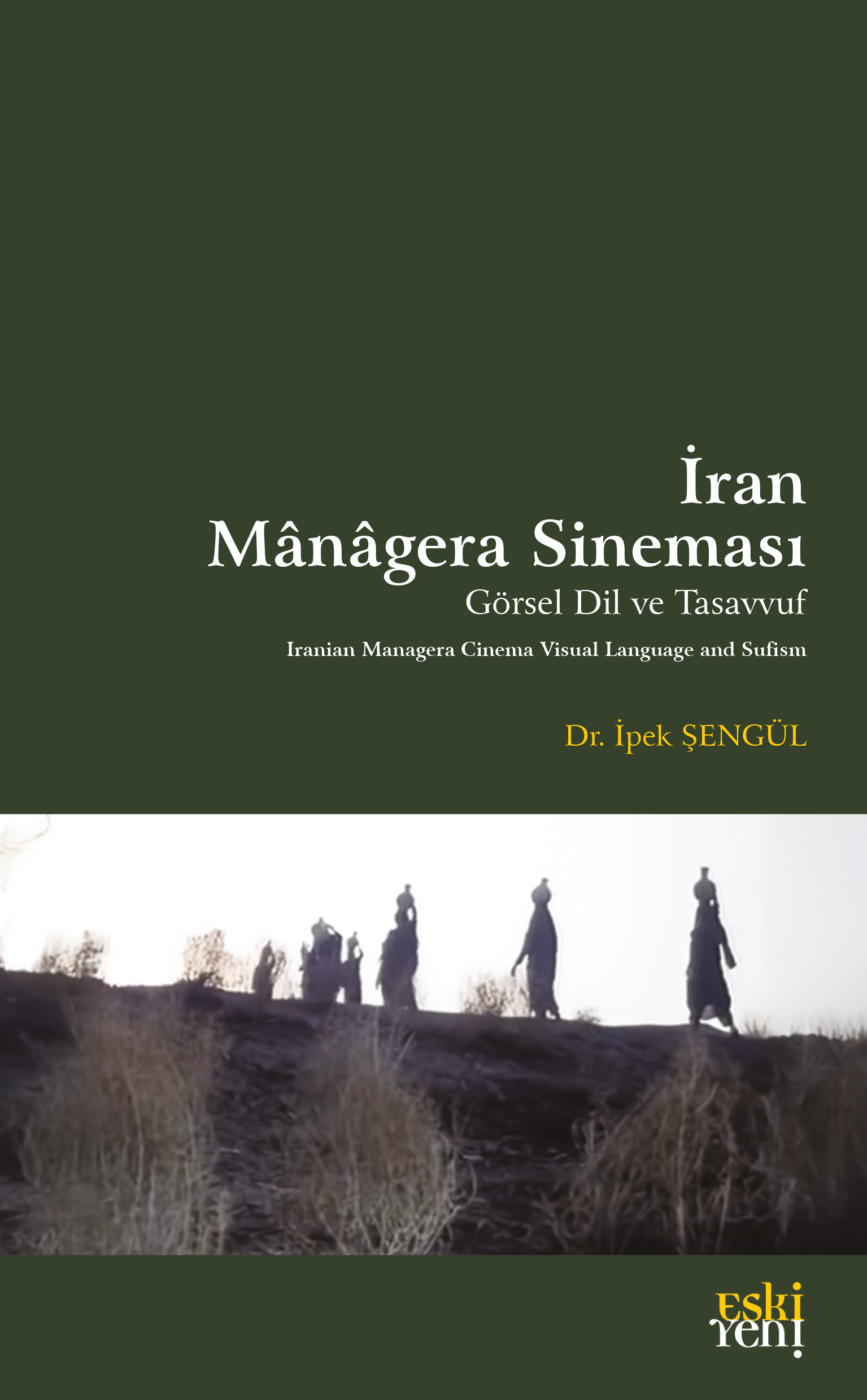
Iranian Managera Cinema
Visual Language and Sufism
Since its emergence, cinema has maintained a profound relationship with
concepts such as truth, time, imagination, and dream. As a visual art,
cinema’s capacity to convey subjective experiences and phenomena that
transcend empirical reality has rendered it a medium in which truth itself
can be interrogated. Across different periods and geographies, artistic
and philosophical approaches adopted within film history have articulated
various dimensions of these fundamental concepts.
Iranian cinema provides a particularly rich historical and cultural context
for examining the artistic and philosophical manifestations of these ideas.
The periods before and after the 1979 Islamic Revolution constitute significant
ruptures within Iran’s film history. Whereas pre-revolutionary
cinema often engaged with secular, individual, and universal themes, the
post-revolutionary era witnessed efforts to reconfigure cinematic production
under the influence of Islamic values and Shiʿi thought. This transformation
is discernible in narrative, thematic, and aesthetic shifts.
Emerging after 1979, the cinema defined as “Managera” draws attention
for its intensive engagement with themes such as truth, imagination,
dream, the afterlife, demons, angels, jinn, extraordinary human powers,
supernatural assistance, and spiritual transformation-subjects closely
aligned with Sufi concerns. This cinematic orientation seeks to foreground
the individual’s spiritual journey and quest for truth, articulating
these concerns through a distinctive filmic language.
This study aims to situate Iranian cinema historically and to trace the development
of Manāgera cinema in the post-1979 period. It argues that the
ideological and religious reorientation of film production after the Revolution
was a decisive factor in Manāgera’s emergence, and it examines how
Manāgera not only reflects religious themes but also demonstrates cinema’s
potential to bridge truth and Sufism. Five representative post-revolutionary
films are analyzed in detail to illuminate Manāgera’s aesthetic and thematic
features and to show how cinematic language expresses Sufi themes.
Keywors: Sufism; Iranian Cinema; Mânâgera Cinema; Religious Cinema;
Mysticism

 İÇ SAYFALAR