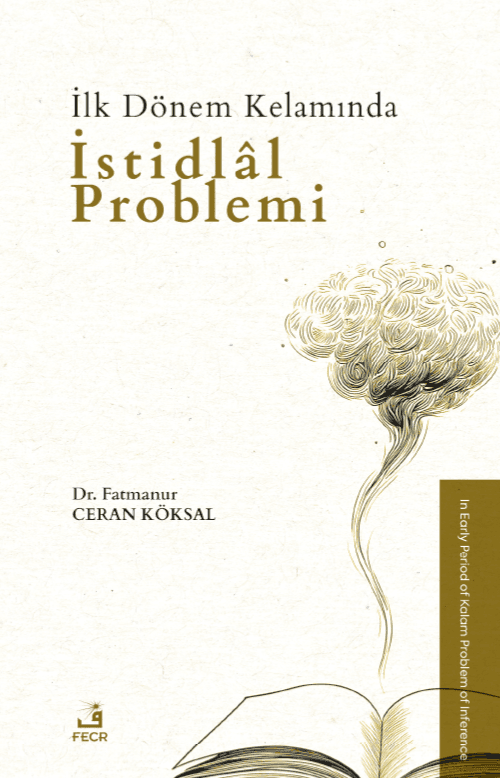
In Early Period of Kalam Problem of Inference
This study examines the primary sources of Islamic theology (ʿilm
al-kalām) namely the Qur’an, the Sunnah, ijmā, and reason (‘aql) as
well as the methods of inference (istidlāl) developed based on these
sources, with a particular focus on early muʿtazilite and sunnī kalām
traditions. The research analyzes how these foundational sources
were interpreted by different theological schools, the methodological
frameworks within which these interpretations were developed, and
how rational (ʿaqlī), scriptural (naqlī), and linguistic (luġawī) forms
of inference shaped sectarian differences in doctrinal positions.
The study offers a comparative analysis of the Mu’tazila’s approach
that prioritises reason and the sunnī approach, which prioritizes
transmitted texts (naṣṣ), highlighting the internal consistency and
distinctive argumentative methods developed within each school.
Furthermore, classical inferential techniques such as qiyās al-ghāʾib
ʿalā al-shāhid (analogical inference from the seen to the unseen), sabr
wa-taqsim (exhaustive division), and other methods are examined,
with illustrative examples from both muʿtazilite and sunnī theological
traditions. How these methods are functionalised especially in
controversial theological issues is among the main issues addressed
in this study.
Finally, the contribution of language to the understanding of scriptural
texts is explored. The extent to which muʿtazilite and sunnī theologians
grounded their arguments in linguistic analysis is assessed.
Overall, the study emphasizes the decisive role that methodological
differences played in shaping theological preferences in early kalām
thought.
Keywords: Qur’an; Kalam; Sunnah; İjma; Reason; Language; İnference

 İÇ SAYFALAR