1000₺ ve üzeri alışverişlerde ÜCRETSİZ KARGO
Hafta içi saat 12.00‘ye kadar verilen siparişler AYNI GÜN KARGODA

  • 0 Items - 0,00
    • Sepette hiç bir ürün yok.
%31 İNDİRİM

Orijinal fiyat: ₺360,00.Şu andaki fiyat: ₺250,00.

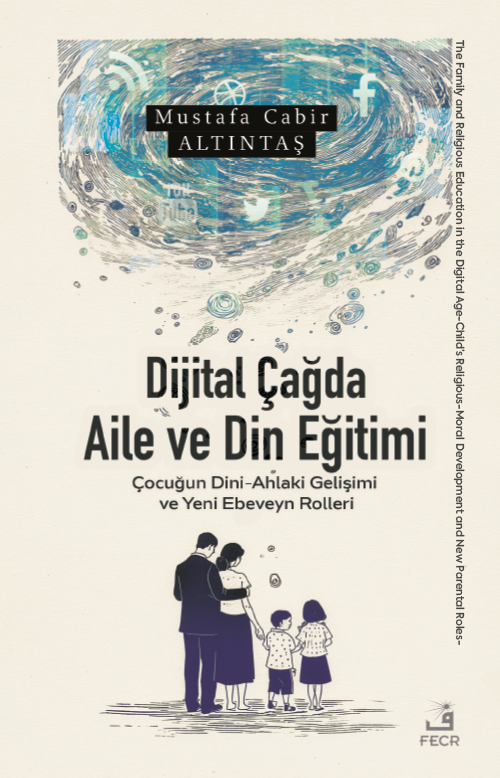
Dijital Çağda Aile ve Din Eğitimi

The Family and Religious Education in the Digital Age

10.70458/fcr.9786255576859

0000-0002-8991-7047 F1031 ,
Paylaş
Dijital Çağda Aile ve Din Eğitimi
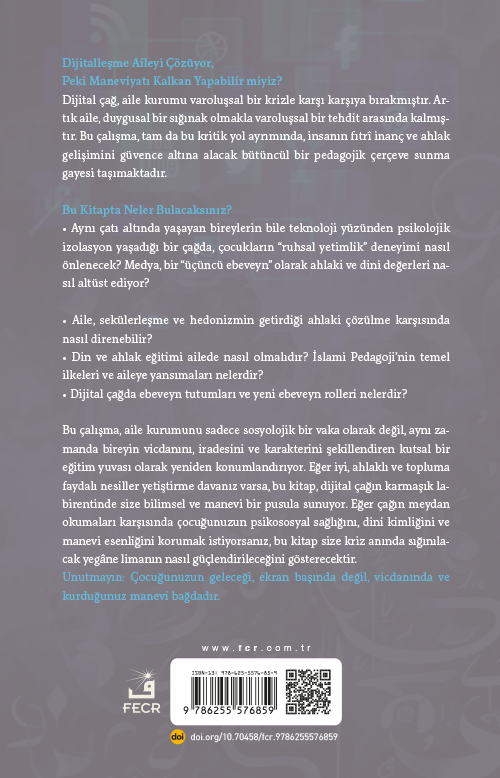
Bu çalışma, aile kurumunun dijital çağda deneyimlediği köklü dönüşümü sosyolojik, teolojik ve pedagojik disiplinlerarası bir zeminde analiz etmektedir. Temel tez, küreselleşme, bireyselleşme ve dijitalleşme gibi makro-sosyal süreçlerin ailenin geleneksel yapısal ve işlevsel rollerini (üretim, eğitim, koruma) daraltmasına rağmen, ailenin bireyin psikososyal ve dinî-ahlaki kimliğini inşa etmedeki birincil ve ikame edilemez rolünü koruduğudur. Çalışma, aile kurumunun dijital çağın meydan okumaları karşısındaki dönüşümünü ve bu bağlamda çocuğun fıtrî inanç ve ahlak gelişimini güvence altına alacak bütüncül bir pedagojik çerçeve sunma gayesi taşımaktadır. Eser, alanındaki en kapsamlı analizlerden biri olup, geleneksel ve güncel sosyolojik kuramları derinlemesine inceleyen bir doküman analizi yürütmektedir. Çalışma, ailenin dönüşümünü ve Türkiye’deki aile yapısının kendine özgü kültürel dinamiklerini mercek altına alarak, Türkiye aile yazını içerisindeki etkili eserlerden biri olmayı hedeflemektedir. Kitabın ana eksenini, din ve ahlak eğitiminin birbirinden bağımsız düşünülemeyecek iki temel disiplin olduğu ve bu eğitimin kalıcılığının, İslami Pedagoji’nin temel ilkelerine bağlı olduğu görüşü oluşturmaktadır. Din Eğitimi İlke ve Yöntemleri bağlamında, Hz. Peygamber’in (sav) uyguladığı Nebevi Yöntem’in, modern eğitimin de altını çizdiği sevgi, merhamet ve gelişimsel basamaklar ilkelerini mükemmel bir şekilde kapsadığı gösterilmiştir. Bu yöntem, baskıcı, ilgisiz veya tutarsız ebeveynlik gibi hatalı tutumlar yerine, çocuğun iradesini ve vicdanını güçlendirerek öz denetim sahibi olmasını sağlayan yeni ebeveyn tutumlarını merkeze alır. Özellikle Dijitalleşme sürecinde kitle iletişim araçlarının bir “üçüncü ebeveyn” gibi konumlandığı ve ahlaki değerleri tehdit ettiği vurgulanmaktadır. Bu meydan okumalar, aile odaklı yaklaşımı ve ebeveynlerin rol model olma (Üsve-i Hasene) sorumluluğunu aktif bir manevi rehberliğe dönüştürmeyi zorunlu kılmaktadır. Aile kurumunun sadece biyolojik bir birliktelik değil, aynı zamanda toplumsal yapının sürekliliğini sağlayan ve bireyi hem dinî hem ahlaki bir olgunluğa ulaştırmayı hedefleyen kutsal bir emanet olduğu fikri güçlendirilmektedir. Eser, İslam Dini’nin evrensel değerlerini ve İslami Pedagoji’nin yöntemlerini modern psikoloji ve sosyoloji bulgularıyla birleştirerek, söz konusu krize bütüncül ve uygulanabilir bir çözüm çerçevesi sunmaktadır.
Anahtar Kelimeler: Din Eğitimi; Aile; Dijital Çağ; Ahlak Gelişimi; Ebeveyn Tutumları; Çocuk

 İÇ SAYFALAR
The Family and Religious Education in the Digital Age
Child’s Religious-Moral Development and New Parental Roles
This work analyzes the profound transformation experienced by the
family institution in the digital age on a sociological, theological, and
pedagogical interdisciplinary basis. The core thesis is that despite macrosocial
processes such as globalization, individualization, and digitalization
narrowing the family’s traditional structural and functional
roles (production, education, protection), the family retains its primary
and irreplaceable role in shaping the individual’s psychosocial and religiousmoral
identity. The study aims to present a holistic pedagogical
framework to safeguard the child’s innate (fıtrî) development of faith
and morality against the challenges posed by the digital age to the family
institution.
The work stands as one of the most comprehensive analyses in the field,
employing a document analysis that delves into traditional and contemporary
sociological theories. The study scrutinizes the transformation of
the family and the distinctive cultural dynamics of the Turkish family
structure, aiming to be a significant contribution to Turkish family literature.
The main focus of the book is the view that religious education and
moral education are two fundamental and inseparable disciplines and
that the permanence of this education hinges upon adherence to the
basic principles of Islamic Pedagogy. Within the context of Religious
Education Principles and Methods, it is demonstrated that the Prophetic
Method (Nebevi Yöntem) applied by the Prophet Muhammad (PBUH)
perfectly encompasses principles emphasized by modern education,
such as love, compassion, and developmental steps. This method advocates
for new parental attitudes, prioritizing the strengthening of the
child’s will and conscience to foster self-control, rather than adopting
detrimental approaches like oppressive, indifferent, or inconsistent parenting.
A key emphasis is placed on the Digitalization process, where mass
communication tools function as a “third parent” and threaten moral
values. These challenges necessitate transforming the family-centered
approach and the parental responsibility of being a role model (Üsve-i
Hasene) into active spiritual guidance. The fundamental idea is reinforced
that the family institution is not merely a biological union but
a sacred trust that ensures the continuity of the social structure and
aims to guide the individual toward both religious and moral maturity.
The work integrates the universal values of Islam and the methods of
Islamic Pedagogy with findings from modern psychology and sociology
to present a holistic and applicable solution framework to the crisis in
question.
Keywords: Religious Education; Family; Digital Age; Moral Development;
Parental Attitudes; Child

Genel Yayın No

1728

Marka

Fecr

Marka No

1031

ISBN

9786255576859

Yayım Tarihi

25.10.2025

Dil

Boyut

13,5 x 21 cm

Baskı Sayısı

1

Sayfa Sayısı

389

Kağıt Cinsi

70 gr. Enzo

Kapak

Taksitleri Güncelle