0 Items - ₺0,00
- Sepette hiç bir ürün yok.

Orijinal fiyat: ₺400,00.₺280,00Şu andaki fiyat: ₺280,00.
 İÇ SAYFALAR
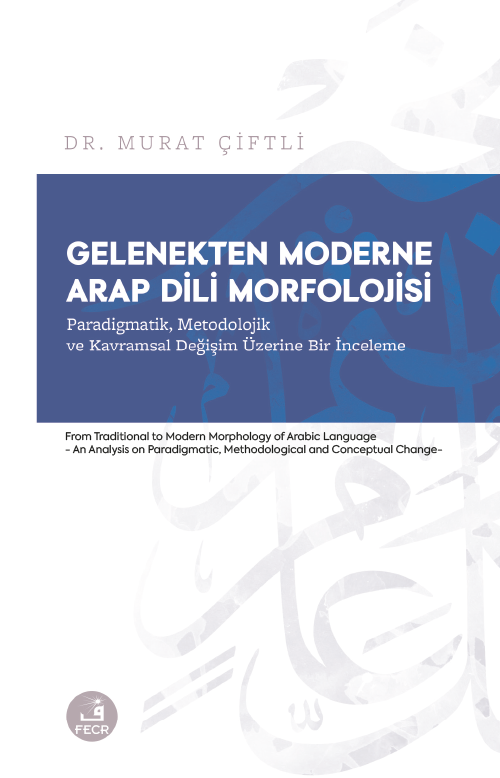
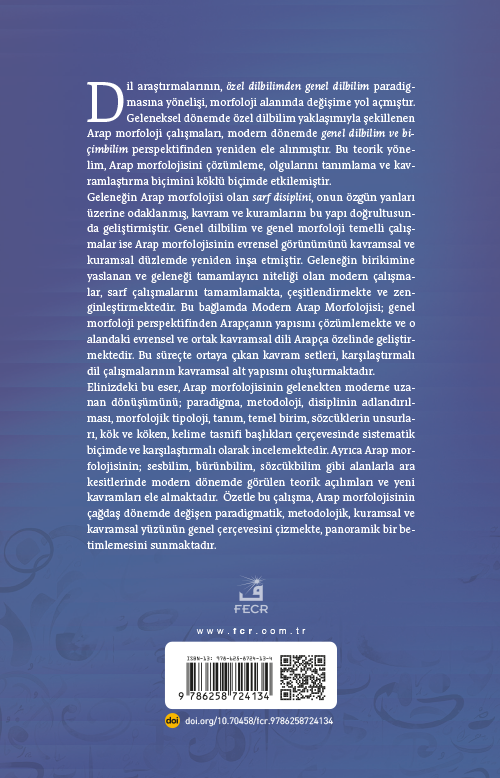
The shift in linguistic research from the special linguistics paradigm to the general linguistics paradigm has led to changes in the field of morphology. Arabic morphology studies, which were shaped by the special linguistics approach in the traditional period, have been reexamined in the modern period from the perspective of general linguistics and morphology. This theoretical orientation has profoundly affected the way Arabic morphology is analyzed, its phenomena are defined, and its concepts are conceptualized.
The discipline of sarf, which is the traditional Arabic morphology, has focused on its unique aspects and developed its concepts and institutions in line with this structure. Studies based on general linguistics and general morphology, on the other hand, have rebuilt the universal appearance of Arabic morphology on a conceptual and institutional level. Modern studies, which rely on the accumulated knowledge of tradition and complement it, complete, diversify, and enrich sarf studies. In this context, Modern Arabic Morphology analyzes the structure of Arabic from a general morphological perspective and develops the universal and common conceptual language in that field specifically for Arabic. The sets of concepts that emerge in this process form the conceptual infrastructure of comparative linguistic studies.
This work systematically and comparatively examines the transformation of Arabic morphology from tradition to modernity within the framework of the following headings: paradigm, methodology, disciplinary designation, morphological typology, definition, basic unit, elements of words, root and origin, and word classification. It also addresses the theoretical developments and new concepts seen in the modern period at the intersections of Arabic morphology with fields such as phonetics, morphology, and lexicology. In summary, this work outlines the general framework of the changing paradigmatic, methodological, institutional, and conceptual aspects of Arabic morphology in the contemporary period and provides a panoramic description.
| Genel Yayın No | 1779 |
|---|---|
| Marka | Fecr |
| Marka No | 1058 |
| ISBN | 9786258724134 |
| Yayım Tarihi | 25.12.2025 |
| Dil | |
| Boyut | 13,5 x 21 cm |
| Baskı Sayısı | 1 |
| Sayfa Sayısı | 312 |
| Kağıt Cinsi | 70 gr. Enzo |
| Kapak |