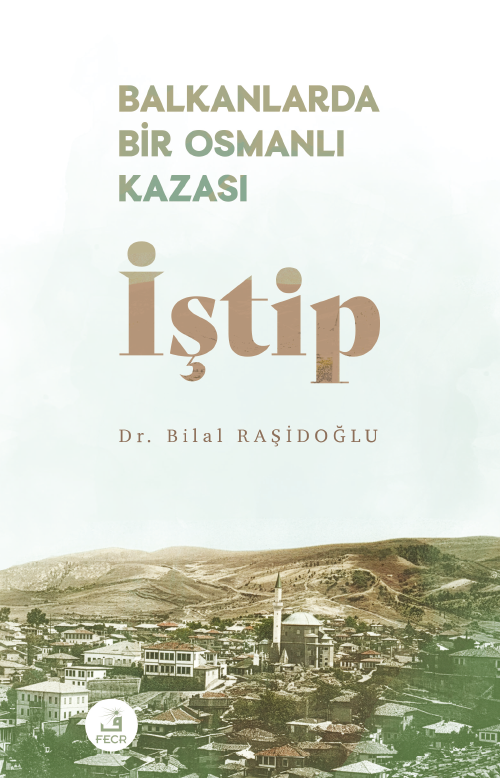
Stip as an Ottoman Kaza in the Balkans
This study examines the period between the late 19th and early 20th
centuries in the district of İştip, which serves as an important example
for understanding the Ottoman Empire’s provincial administrative
structure in the Balkans. İştip is a settlement located within the present-
day borders of North Macedonia, which had the status of a ‘district’
in the Ottoman administrative organisation. The study examines
the social, economic and administrative structure of İştip using primary
sources such as yearbooks. The research aims to reveal in detail the
demographic structure, economic situation, administrative structure,
and social dynamics of the district during that period. The relationships
established between the local population and the state in the Ottoman
hinterland, the interactions between the reaya and the administrators,
and the structure of social stratification are among the main areas of
investigation in the study. At the same time, the practices of coexistence
between the Muslim and non-Muslim populations in the city have also
been evaluated in a noteworthy manner. Consequently, the example
of İştip has made the multicultural, multi-religious and multi-layered
structure of the Ottoman provincial system comprehensible; original
contributions have been made regarding central-provincial relations
and the functioning of local administration. In this context, the study
will make important contributions to both Balkan history and Ottoman
social history.
Keywords: Balkans; Ottoman Empire; Stip District; Yearbooks; North
Macedonia.

 İÇ SAYFALAR