%30 İNDİRİM₺215,00 Orijinal fiyat: ₺215,00.₺150,00Şu andaki fiyat: ₺150,00.
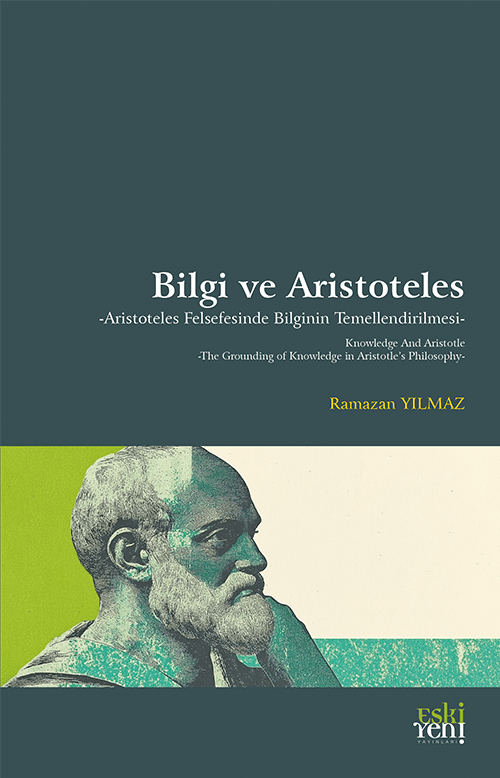
Bilgi ve Aristoteles -Aristoteles Felsefesinde Bilginin Temellendirilmesi-
Bilgi ve Aristoteles -Aristoteles Felsefesinde Bilginin Temellendirilmesi-
Bilgi, insanın varlıkla kurduğu ilişkinin en önemli biçimidir. İlkçağdan itibaren felsefenin mühim mevzularından birini oluşturmuştur ve hala da tartışılmaya veya açıklanmaya çalışılan bir olgudur. Şüpheden kurtulup kesinliğe ulaşma arzusu ve bu arzunun nasıl gerçekleşeceği, bilgide kesinliğin nasıl sağlanacağı soruları bilginin nasıl temellendirileceği sorusuyla ilişkilidir. Bu cevap varlıkla kuracağımız ilişkinin sıhhatini de belirleyecektir. Bu eser Aristoteles’in bilgi anlayışını ele almaktadır. Bilgi hakkında tartışılan temel problem ise bilginin nasıl temellendirildiğidir. Aristoteles’in konuyla ilgili görüşlerini açıklamadan önce Aristoteles öncesi felsefede Bilgi kuramının temel sorularına yönelik yaklaşımları ortaya koymaya çalıştık. Böylece Aristoteles’in anlayışı için bir çerçeve oluşturabileceğimizi düşündük. Aristoteles, bilgiyi tümelin bilgisi olarak görmekte ve bir şeyi bilmenin onun nedenini bilmek olduğunu söylemektedir. Aristoteles bilimsel yöntem olarak tümdengelimi kabul etmekte, zorunlu ve doğru öncüllerden kurallarına uyularak yapılan tümdengelimin bize doğru bilgi vereceğini düşünmektedir. Kendisinin kanıtlamalı bilgi dediği bu bilgi, zorunlu öncüller üzerine inşa edilmektedir. Kanıtlamanın temeli olan tümel ilkelere ulaşmanın yolu, Aristoteles’e göre duyusal algılamalara dayanan deneyim ve bu deneyim üzerine temellenen tümevarımdır. Ruhun bir işlevi olması açısından bilme eylemi bu noktada ruhun yetileri olan duyumsama ve düşünme üzerine temellendirilmektedir. Konuyla ilgili gözden kaçırılmaması gereken nokta şudur: Aristoteles’e göre bilgi tümelin bilgisi olmasına rağmen, onun varlık anlayışında gerçek varlık tümeller değil bireysel varlıklardır. Çalışmamızda bilgi problemini Aristoteles üzerinden ele almamızın sebebinin, onun etkisi sebebiyle olduğu kolaylıkla anlaşılabilir. Zira gerek İslam felsefesinin gerekse Batı felsefesinin anlaşılması ancak temellerinin anlaşılmasına bağlıdır. Bunun yanında Aristoteles’in bilgi ve bilimle ilgili fikirlerinin anlaşılması, özellikle çağdaş bilim felsefesindeki yaklaşımların klasik felsefeyle kıyaslanmasına olanak sağlayacaktır.
Anahtar Kelimeler: Episteme; kanıtlama; tümevarım; akıl; duyum; tümel
 İÇ SAYFALAR
Knowledge and Aristotle The Grounding of Knowledge in Aristotle’s Philosophy-
Knowledge is the most important form of human relationship with being. It has been one of the most important subjects of philosophy since ancient times, and it is a phenomenon that is being discussed or explained even today. The desire to get rid of doubt and reach certainty and how to make this desire come true, how to ensure certainty in knowledge are relat-ed to the question of the grounding of knowledge. This answer will also determine the validity of our relationship with being. This work focuses on Aristotle’s understanding of knowledge. The main problem discussed about knowledge is how knowledge is grounded. Before explaining Ar-istotle’s views on the subject, we tried to reveal the approaches to the basic questions of the theory of knowledge in pre-Aristotelian philosophy. Thus, we thought we could create a framework for Aristotle’s understand-ing. Aristotle considers knowledge as the knowledge of the universal and says that to know something is to understand its cause. Aristotle accepts deduction as the scientific method and thinks that deduction from neces-sary and true premises in accordance with the rules will give us accurate knowledge. This knowledge, which he calls evidential knowledge, is built on necessary premises. According to Aristotle, the method of achieving universal principles, which is the basis of proof, is experience based on sensory perceptions and induction based on this experience. At this point, the act of knowing, as a function of the soul, is based on sensation and thinking, which are the faculties of the soul. The point that should not be overlooked on the subject is this: According to Aristotle, although knowl-edge is the knowledge of the universal, in his understanding of being, real beings are not universals but individual beings. It can be easily un-derstood that the reason why we deal with the problem of knowledge by focusing on Aristotle in our study is because of his influence. The under-standing of both Islamic and Western philosophy depends on the under-standing of their foundations. In addition, understanding Aristotle’s ideas on knowledge and science will enable us to compare the approaches in the contemporary philosophy of science with classical philosophy.
Keywords: Episteme; proving; induction; intellect; sensation; universal