1000₺ ve üzeri alışverişlerde ÜCRETSİZ KARGO
Hafta içi saat 12.00‘ye kadar verilen siparişler AYNI GÜN KARGODA

%29 İNDİRİM

Orijinal fiyat: ₺175,00.Şu andaki fiyat: ₺125,00.

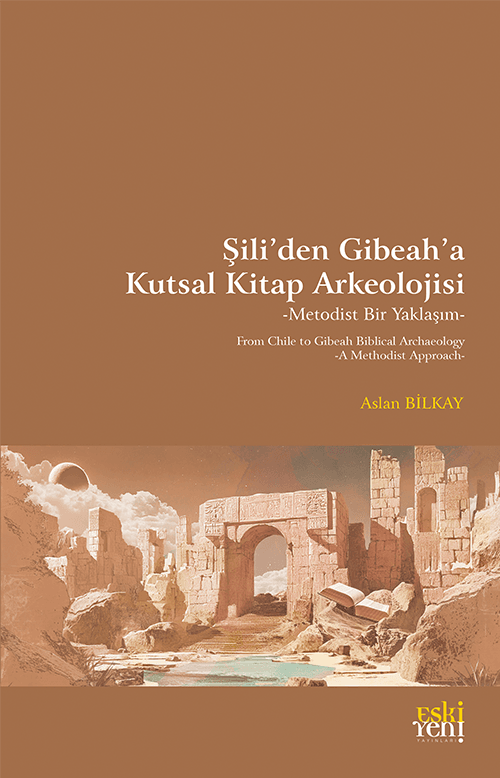
Şili’den Gibeah’a Kutsal Kitap Arkeolojisi -Metodist Bir Yaklaşım-

From Chile to Gibeah Biblical Archaelogy -A Methodist Approach-

10.70458/fcr.9786256781818

0000-0002-2021-1169 ES0268 ,
Paylaş
Şili’den Gibeah’a Kutsal Kitap Arkeolojisi -Metodist Bir Yaklaşım-
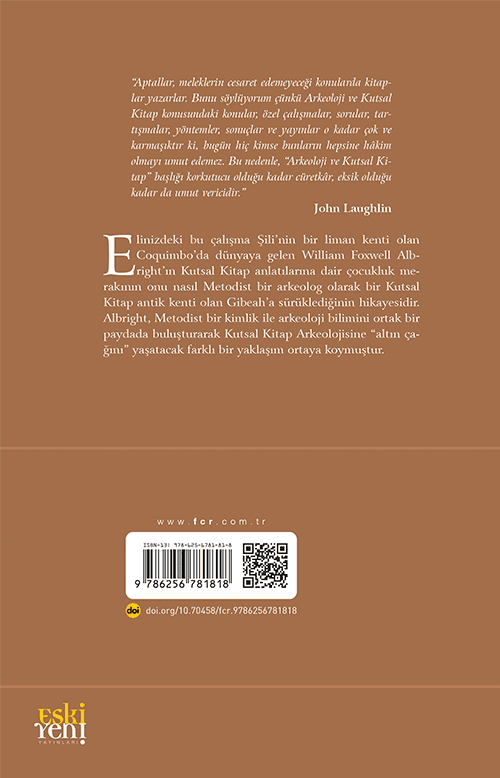
2024 yılında İbn Haldun Üniversitesi Lisansüstü Eğitim Enstitüsü’ne sunulan master tezine dayanan bu kitap, interdisipliner bir çalışma örneği olarak arkeoloji ve dinler tarihi bilimlerini ortak bir paydada buluşturan Kutsal Kitap arkeolojisini ve yapmış olduğu önemli çalışmaları ile bu alana “altın çağını” yaşatan William Foxwell Albright’ın (ö.1971) Metodist bakış açısıyla Tell el-Fūl/Gibeah of Saul’da (1922-23 ve 1933) gerçekleştirdiği arkeolojik kazıları konu edinmektedir. Çalışmanın amacı, Albright’ın Metodist bakış açısıyla Kutsal Kitap anlatısının doğruluğunu tespit etmek için arkeoloji biliminden nasıl yararlandığını Tell el-Fūl/Gibeah of Saul’da gerçekleştirdiği arkeolojik kazılar örnekliğinde ortaya koymaktır. Nitekim dinler tarihi disiplininin, bilgi birikiminden en fazla istifade ettiği bilimlerin başında arkeoloji gelmektedir. Arkeoloji, geçmişte yaşamış insan topluluklarına ait sosyal, kültürel ve toplumsal yaşayış ve düzenlerini, yaşadıkları dönemden günümüze kadar gelen maddi kalıntıları- merkeze alarak araştıran, kayıt altına alan ve yorumlamaya çalışan bir bilim dalıdır. Kutsal Kitap terimi en genel haliyle Yahudi ve Hristiyanlar tarafından kutsal sayılan Eski Ahit ve Yeni Ahit kitaplarıdır. Kutsal Kitap arkeolojisi terimi ise Eski ve Yeni Ahit metinlerinin anlatısında geçen halkların, kültürlerin ve dönemlerin arkeolojik kalıntılarla incelenmesi ifade etmektedir. Kutsal Kitap arkeolojisini, Metodist bir yaklaşımla W. Foxwell Albright tarafından Tell el-Fūl/Gibeah of Saul’da yapılan arkeolojik kazılar örnekliğinde ele alan bu çalışma, giriş ve iki bölümden oluşmaktadır. Giriş bölümü, çalışmanın amacını, önemini, metodunu, sınırlılıklarını ve kaynaklarını konu edinmektedir. Birinci bölümde Kutsal Kitap arkeolojisinin Albright merkezli arkeolojisi anlatılmaktadır. Başka bir ifadeyle Kutsal Kitap arkeolojisinin teorik arka planını ele ala bu bölüm, Albright merkezli tarihsel gelişimini, isimlendirme sorununu ve önemli ekollerini ele almaktadır. Çalışmanın ikinci bölümünde ise William Foxwel Albrigt’ın Metodist dini arka planını, Kutsal Kitap anlatısında geçen Gibeah’ı, Albright’ın bu anlatının doğruluğunu ortaya koymak amacıyla Tell el-Fūl /Gibeah of Saul örneğinde gerçekleştirmiş olduğu arkeolojik kazıları ve daha sonra bu arkeolojik çalışmalara yöneltilen eleştirileri konu edinmektedir.
 Anahtar Kelimeler: Arkeolojik Kazı; Gibeah; Kutsal Kitap Arkeolojisi; Metodist; Tell el-Fûl; William Foxwell Albright

 İÇ SAYFALAR
From Chile to Gibeah Biblical Archaeology -A Methodist Approach-
Based on a 2024 master’s thesis submitted to Ibn Haldun University’s Graduate School of Graduate Studies, this book is an interdisciplinary study of biblical archaeology, which brings together the sciences of archaeology and the history of religions, and the archaeological excavations at Tell el-Fūl/Gibeah of Saul (1922- 23 and 1933) by William Foxwell Albright (d.1971), who gave this field its “golden age” with his important studies, from a Methodist perspective. The aim of the study is to demonstrate how Albright, from a Methodist perspective, utilized the science of archaeology to determine the accuracy of the biblical narrative through the example of his archaeological excavations at Tell el-Fūl/Gibeah of Saul. As a matter of fact, archaeology is one of the sciences from which the discipline of the history of religions makes the most use of its knowledge. Archaeology is a branch of science that investigates, records and tries to interpret the social, cultural and social life and order of human communities that lived in the past by focusing on the material remains that have survived to the present day. In its most general form, the term Bible refers to the books of the Old Testament and the New Testament, which are considered sacred by Jews and Christians. The term biblical archaeology, on the other hand, refers to the study of the peoples, cultures and eras described in the narratives of the Old and New Testaments through archaeological remains. This research, which examines biblical archaeology from a Methodist perspective through the example of the archaeological excavations conducted by W. Foxwell Albright at Tell el- Fūl/Gibeah of Saul, consists of an introduction and two chapters. The introduction deals with the purpose, significance, methodology, limitations, and sources of the study. The first part describes the Albright-centered archaeology of biblical archaeology. In other words, this chapter deals with the theoretical background of biblical archaeology, its historical development centered on Albright, the problem of nomenclature and its important schools. The second part of the book deals with William Foxwel Albrigt’s Methodist religious background, the biblical narrative of Gibeah, Albright’s archaeological excavations in the case of Tell el- Fūl/Gibeah of Saul in order to verify the accuracy of this narrative, and the subsequent criticisms of these archaeological studies.
Keywords: Archaeological Excavation; Gibeah; Biblical Archaeology; Methodist; Tell el-Fūl; William Foxwell Albright

Genel Yayın No

1448

Marka

Eskiyeni

Marka No

268

ISBN

9786256781818

Yayım Tarihi

22.11.2024

Dil

Boyut

13,5 x 21 cm

Baskı Sayısı

1

Sayfa Sayısı

112

Kağıt Cinsi

70 gr. Enzo

Kapak

Taksitleri Güncelle