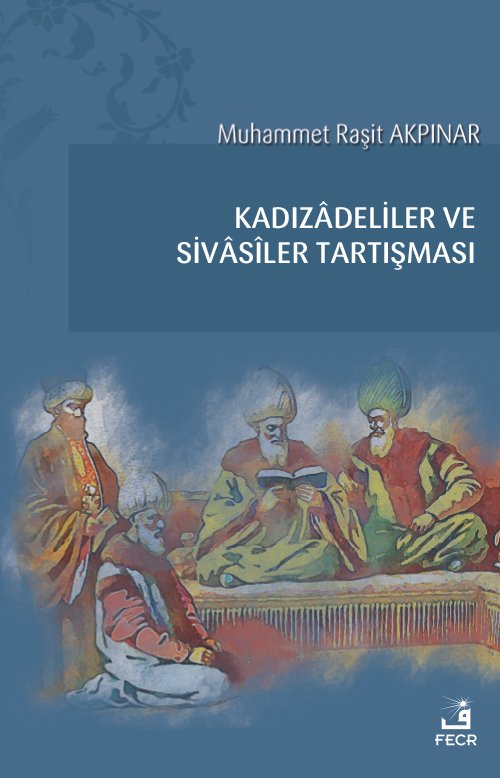
The 17th-century Ottoman Empire, a time when deterioration began to be seen in the state and social structure, witnessed heated debates between the Kadızâdelis (religious scholars) and the Sivâsîs (Sufis), who represented the lowest echelon of the scholarly class. Essentially aiming to contribute to the resolution of the problem but unable to agree on methods to achieve this goal, these two schools waged a struggle that would continue for nearly a century. The ideas espoused by the Kadızâdelis, also known as jurists, are similar to Salafi thought, which advocates a return to the essence of religion to solve problems in Islamic history. The Sivâsîs, however, opposed this view and defended a traditional understanding that incorporated Sufism.
During periods when the debate lost control, interesting scenes were witnessed, such as attempts to demolish minarets on the grounds that they were considered heresies, or attempts to purge Sufi lodges by dumping their soil contaminated with polytheism into the sea. Although these debates between the Kadızâdelis and Sivâsîs were characterized as political and ideological, both schools attempted to establish a religious-legal foundation. Beyond examining the debate in light of historical data, this work allows us to learn from the works of the respective parties how this foundation was established.