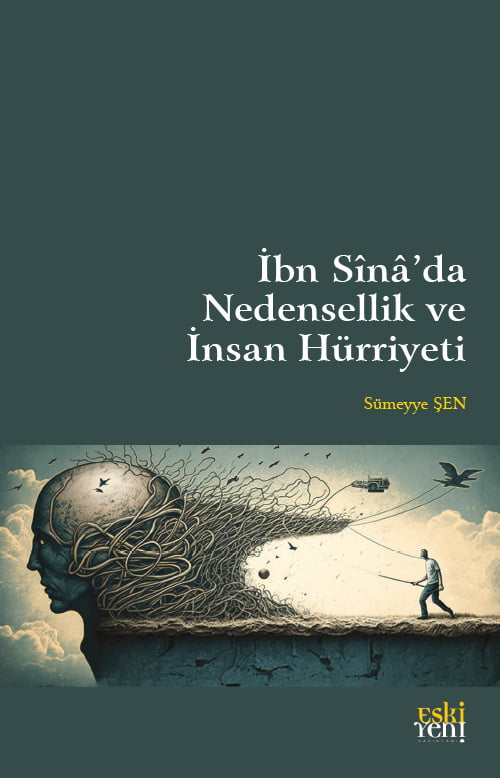
This study aims to explore, with particular reference to Ibn Sina, the possibility of human beings making free choices within the causal system in which every cause necessitates its cause. According to Ibn Sina, every object consists of four causes: material, superficial, agent, and final. The soul, the superficial cause and true agent of human actions, exerts its effects and influences through the body, the material cause of human actions. All actions occur through the stages of perception, desire, decisive will, and the movement of the organs, all of which are performed by the soul's faculties. The processes of perception and desire are the stages in which the causes of action are prepared during the transition from decisive will to the causal process. In these stages, the level of perception and desire for any action is determined by the body and temperament, which give the soul its individuality. Humans can determine their character and the direction of their actions through the changes they bring about in their temperament. This means that humans can make free choices with self-awareness of their own nature. This study argues that the determining role of humans in the causal order over the causes of their actions both prevents actions from being uncaused and makes human freedom possible within the causal system.
Key Concepts: Islamic Philosophy, Avicenna, Causality, Human Freedom. The Process of Action.