The Archaeology of Western Perception of Islam
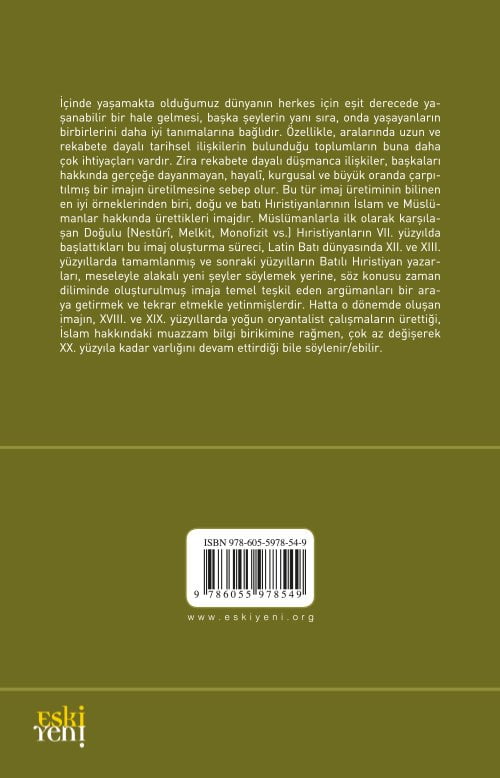
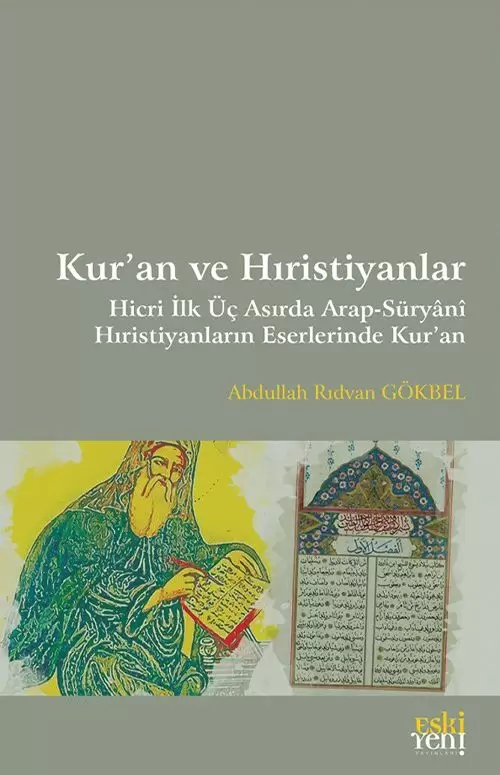
The world we live in becomes equally livable for everyone, among other things, depends on its inhabitants getting to know one another better. Societies with long and competitive historical relationships have a particular need for this. Hostile, competitive relationships lead to the production of unrealistic, imaginary, fictional, and largely distorted images of others. One of the best-known examples of this type of image production is the image created by Eastern and Western Christians of Islam and Muslims. This image-building process, initiated by Eastern Christians (Nestorian, Melkite, Monophysite, etc.) who first encountered Muslims in the 7th century, was completed in the Latin Western world in the 12th and 13th centuries. Western Christian writers of the following centuries, rather than offering new insights into the issue, merely compiled and repeated the arguments that formed the basis of the image constructed during that time period. In fact, the image formed during that period was further developed in the 18th and 19th centuries. It can even be said that, despite the enormous amount of knowledge about Islam produced by intense orientalist studies in the centuries, it continued its existence with little change until the 20th century.